

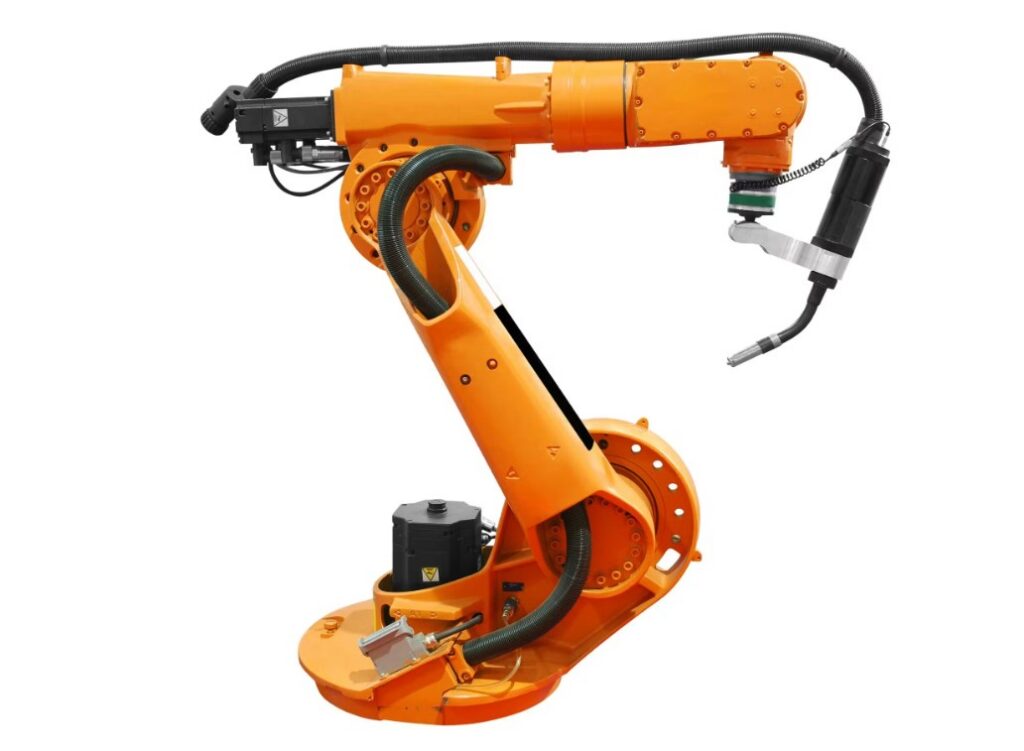
Selecting the right robot for an industrial application is often more complicated than comparing payload capacities, reach, or speed. Engineers must first determine which underlying robot mechanism is best suited to the task. In a recent Machine Design article, researchers propose a mechanism-centric Powerset Framework that provides a more systematic approach to robot selection by focusing on robot architecture before narrowing choices to specific models.
The framework addresses a common challenge in robotics adoption. Engineers are confronted with a growing range of robot types, including articulated arms, Cartesian systems, SCARA robots, delta robots, parallel mechanisms, mobile platforms, and collaborative robots. While vendors typically promote performance specifications, the authors argue that the fundamental mechanical structure of a robot often has the greatest influence on whether it can successfully perform a given application. The framework is designed to bridge the gap between application requirements and robot mechanism selection.
At the heart of the methodology is the concept of evaluating task requirements through a structured set of capabilities and constraints. Rather than beginning with available products, engineers first identify the motion characteristics, workspace needs, dexterity requirements, precision levels, environmental conditions, and operational constraints associated with the application. These requirements are then mapped to robot mechanisms that possess the necessary attributes.
The powerset approach enables engineers to compare combinations of capabilities across different robot architectures. This helps reveal trade-offs that may not be obvious when evaluating specifications alone. For example, a robot optimized for speed may sacrifice flexibility, while one offering greater dexterity may introduce complexity or cost. By organizing these relationships systematically, the framework supports more informed decision-making early in the design process.
The article argues that as robotics systems become more diverse and application-specific, mechanism selection will play an increasingly important role in successful deployment. A structured methodology can reduce design iterations, improve system performance, and help organizations invest in robotic solutions that align more closely with operational goals. Ultimately, the framework shifts robot selection from a product-centered exercise to an engineering-driven process focused on matching mechanism capabilities to real-world requirements.
