

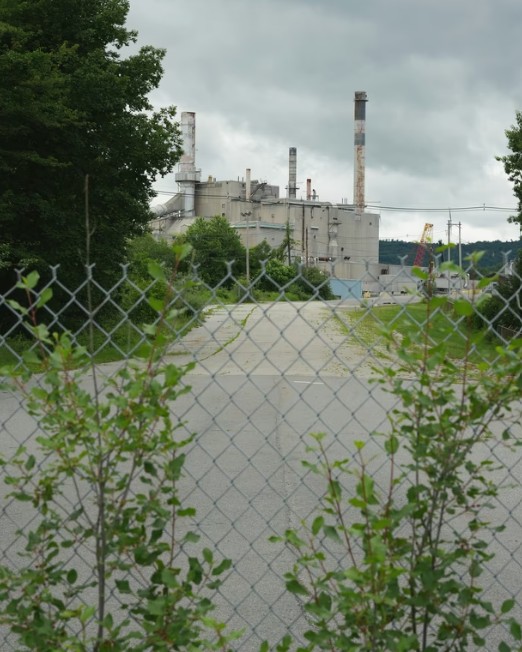
The rapid expansion of AI has triggered growing opposition to data centers across the United States. Communities have raised concerns about electricity consumption, water use, environmental impacts, and limited long-term employment. Yet the town of Jay, Maine, presents a striking exception. Rather than resisting a proposed data center, residents embraced it as an opportunity to revive a community that has struggled since the loss of its largest employer, tells The Atlantic.
For decades, Jay’s economy revolved around the Androscoggin paper mill. The mill’s decline, followed by a devastating explosion in 2020 that effectively ended operations, left the town facing job losses, shrinking opportunities, and an uncertain future. When developers proposed transforming the former mill site into a large data center, local officials moved quickly to support the project. Unlike wealthier communities that viewed data centers as unwanted industrial neighbors, many Jay residents saw the proposal as one of the few realistic paths toward economic recovery.
The article argues that Jay’s enthusiasm was driven less by excitement over artificial intelligence than by the realities of economic hardship. Residents understood that a data center would not recreate the thousands of manufacturing jobs the mill once provided. Construction work would be temporary, and permanent employment would be relatively limited. Even so, the investment promised tax revenue, infrastructure improvements, and renewed activity at a site that had become a symbol of decline. For many residents, those benefits outweighed broader national debates about AI infrastructure.
The optimism proved short-lived. In June 2026, Sentinel, the company behind the proposed project, withdrew, placing the development on indefinite hold. Although local leaders continue searching for another investor, few residents expressed surprise. The failed project joined a long history of industries and opportunities that had come and gone, reinforcing the uncertainty that has shaped the town’s recent history.
The story illustrates that debates over AI infrastructure are rarely one-dimensional. While many communities focus on environmental and energy concerns, places such as Jay weigh those issues against decades of economic decline. The article concludes that attitudes toward data centers often depend less on technology itself than on a community’s economic circumstances and its hope for a more stable future.
