

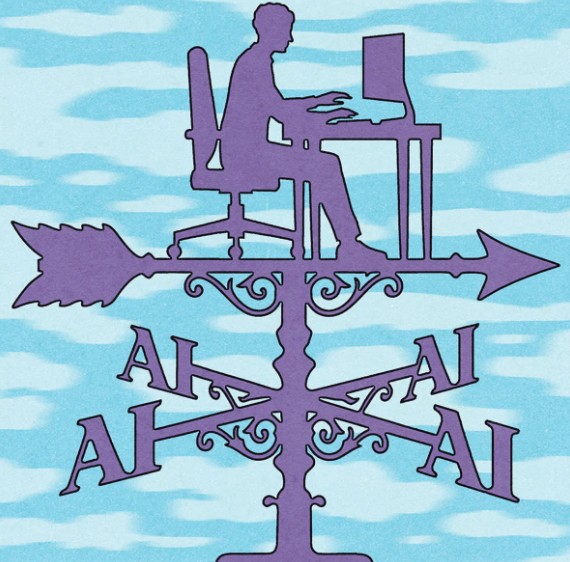
Artificial intelligence is changing engineering work, introducing new tools, raising productivity expectations, and making it difficult to predict which technical skills will remain valuable. Yet engineers may be better prepared for this uncertainty by developing adaptability rather than concentrating too heavily on specific technologies, says IEEE Spectrum.
Samantha Brunhaver, an associate professor of engineering at Arizona State University, defines adaptability as recognizing change or uncertainty and responding effectively. What that requires depends on the field. Software engineers may need to adjust as development tools evolve, while aerospace and biomedical engineers must respond to changing procedures and regulations.
The need is growing. A 2026 PwC report found that technology, media, and telecommunications are experiencing particularly rapid skill turnover. The World Economic Forum has also estimated that 39% of workers’ core skills across industries will change by 2030.
Brunhaver argues that engineering education can strengthen adaptability through internships, team projects, community service, and leadership opportunities. Reflection is equally important. Engineers need to recognize when circumstances have changed, evaluate possible responses, and act. For working professionals, that could mean deliberately learning new tools and workflows.
AI may significantly reshape software engineering. Developers could spend more time prompting models, managing AI agents, and reviewing generated code rather than writing every line themselves. However, software developer Andy Hunt argues that the profession’s fundamentals remain largely unchanged. Problem-solving and communication still matter, while systems thinking is more valuable over the long term than expertise with any particular programming language or tool.
Employers also share responsibility for helping engineers adapt. Microsoft research scientist Jenna Butler recommends giving employees dedicated time for continuous learning without expecting immediate productivity gains. Without adequate guidance and learning time, workers may cling to familiar tools or risk burnout.
The broader lesson is that engineers should learn new technologies without allowing those technologies to define their professional identity. AI will change engineering workflows, but judgment, communication, systems thinking, and problem-solving remain essential skills for navigating that change.
