

Semiconductor engineering has spent decades automating individual tasks, from logic synthesis to physical implementation and verification. ChipAgents argues that growing chip complexity now requires another shift: moving from isolated AI tools toward closed-loop systems capable of handling complete engineering workflows.
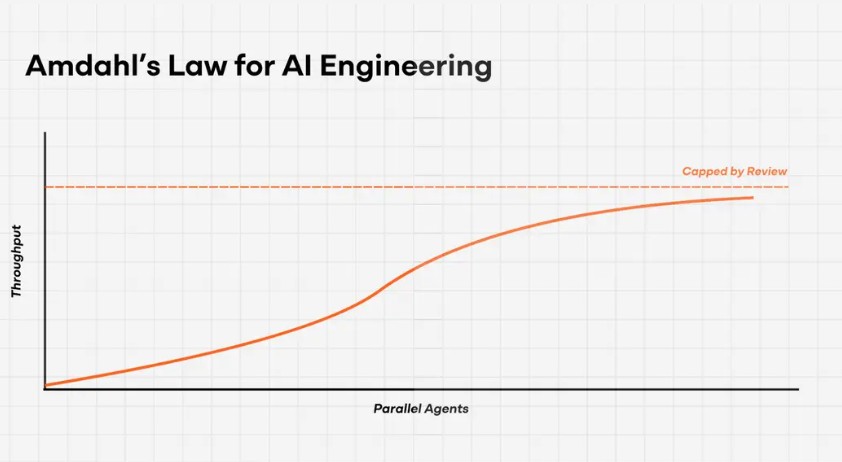
The challenge is particularly important as 3D ICs and heterogeneous integration increase design complexity while experienced engineering talent remains limited. Simply deploying more AI agents does not solve the problem because engineers still have to review their outputs. ChipAgents proposes multi-agent systems that can generate, evaluate, reject, and improve solutions with less human intervention.
These systems resemble semiconductor engineering teams. Specialized agents can independently examine waveforms, logs, RTL, specifications, and potential failure mechanisms. They then combine their findings to locate failures and identify root causes.
Verification provides a practical starting point because AI-generated results can be measured and checked. Agents can review code, generate test collateral, investigate signals, analyze failures, and suggest fixes. As confidence grows, autonomous workflows could extend into specification analysis, RTL generation, physical design, manufacturing, and testing.
This transition could also change engineers’ roles. Instead of spending hours navigating waveforms and investigating individual signals, engineers could direct multiple agents, evaluate their conclusions, determine priorities, and make architectural decisions.
Trust and security remain critical. ChipAgents emphasizes verifiable outputs, sandboxing, private deployments, and protection of proprietary semiconductor data. Its Renoir large language model, for example, supports air-gapped, on-premises deployment.
ChipAgents reports that Whalechip used its platform to reduce root cause analysis from days to minutes while preventing potential schedule delays. Ultimately, the company envisions continuous engineering loops in which agents generate, test, analyze, revise, and optimize designs while humans retain control over intent, architecture, constraints, and major engineering decisions.
