

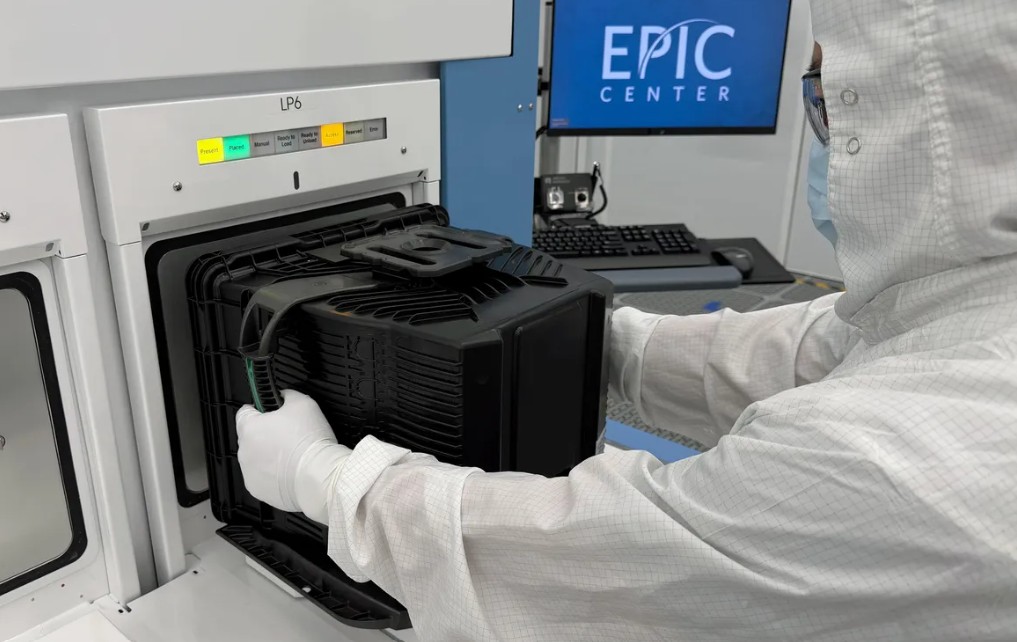
The artificial intelligence boom is fueling a major expansion of semiconductor research and development in the United States. Applied Materials recently opened its Equipment and Process Innovation and Commercialization Center in Sunnyvale, California, raising its planned investment in the facility from $4 billion to about $5 billion, tells IEEE Spectrum.
The investment reflects a broader surge in private semiconductor spending. Micron plans to invest $10 billion over 10 years in its Boise, Idaho, memory research facility, while SK Hynix is spending $4 billion on an advanced packaging facility in Indiana. Although U.S. policy has encouraged domestic semiconductor investment, analysts cited in the article argue that growing AI demand is the stronger commercial driver.
Applied Materials estimates that revenue among the 10 largest semiconductor companies has increased about 150% since 2021, largely because of AI demand. Those companies are collectively spending about $67 billion on R&D this year, far exceeding federal semiconductor research funding.
AI is also changing the research process itself. Entegris is using AI-driven modeling and simulation to identify materials that could meet specific performance targets. The company is testing AI for preliminary materials screening before physical synthesis and laboratory evaluation. Applied Materials is applying AI to materials discovery, generative equipment design, algorithms, and software development.
Another shift involves bringing equipment suppliers and chipmakers physically closer together. Applied Materials’ EPIC center allows major customers, including TSMC, Samsung, and Micron, to work alongside researchers in protected facilities. The approach reduces handoffs between equipment developers and chipmakers and could shorten a commercialization process that traditionally takes 10–15 years.
The expansion, however, raises questions about access. Large semiconductor companies dominate current partnerships, potentially leaving startups dependent on bigger players. Closer collaboration with universities and long-term public investment could therefore remain important for building a broader U.S. semiconductor research ecosystem.
