

Bringing a new mechanical engineer up to speed can take months, even after software access and basic training are complete. According to Leo AI, the real obstacle is often finding and understanding knowledge scattered across a company’s PDM, PLM, ERP, CAD files, directories, and employees’ memories. AI could shorten this process, but only if it can work with an organization’s actual engineering history.
New engineers routinely need to identify current design revisions, understand why particular materials or tolerances were chosen, learn internal standards, and locate previously approved components. When that information is difficult to retrieve, they must repeatedly ask senior engineers, slowing both employees. They may also duplicate existing designs or make changes without knowing important constraints.
General-purpose AI assistants can explain engineering concepts but lack access to company-specific decisions and product data. Leo AI argues that useful onboarding systems therefore need five capabilities: connections to internal engineering systems, citations linking answers to original records, geometry-based search, retrieval of design intent, and the ability to admit when available data cannot support an answer.
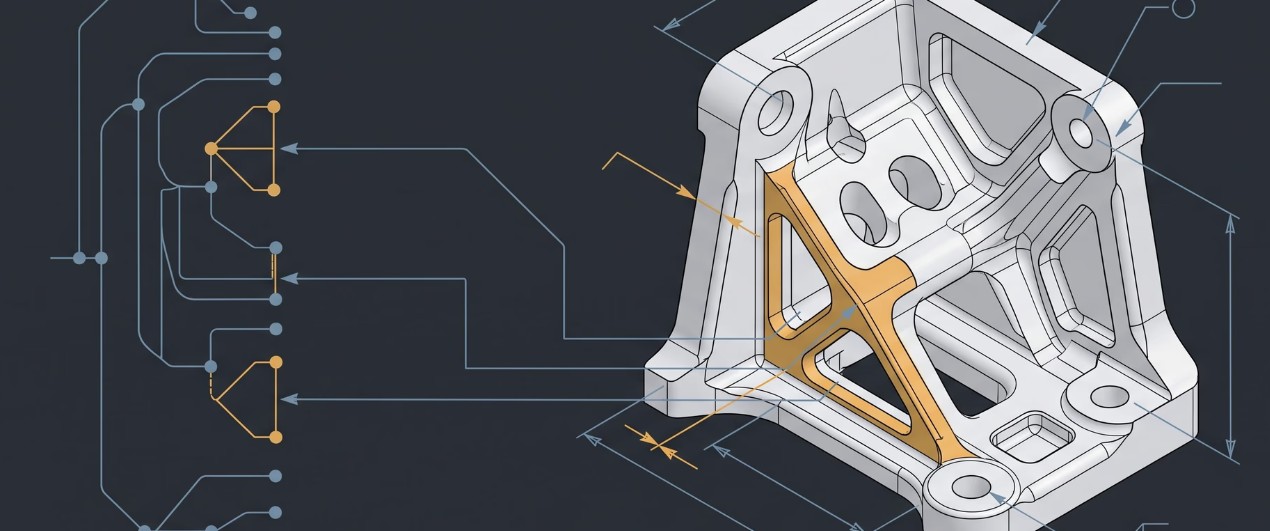
Geometry search is particularly relevant for engineering. Instead of relying on filenames or metadata, AI can identify physically similar parts, potentially preventing new employees from redesigning components that already exist. Equally important is provenance. Engineers should be able to verify an AI-generated answer against the drawing, revision, calculation, or review comment from which it originated.
The article recommends evaluating AI through a 30-day pilot using real company data and questions previously asked by new hires. Rather than measuring employee satisfaction, companies should track how often newcomers still need help from experienced engineers. Wrong answers should also be distinguished from incomplete ones because incorrect engineering guidance creates greater risk.
The broader argument is that AI can improve onboarding by turning accumulated engineering knowledge into accessible institutional memory. Its value comes not from replacing experienced engineers, but from reducing the time they spend serving as search engines for information the organization already possesses.
