

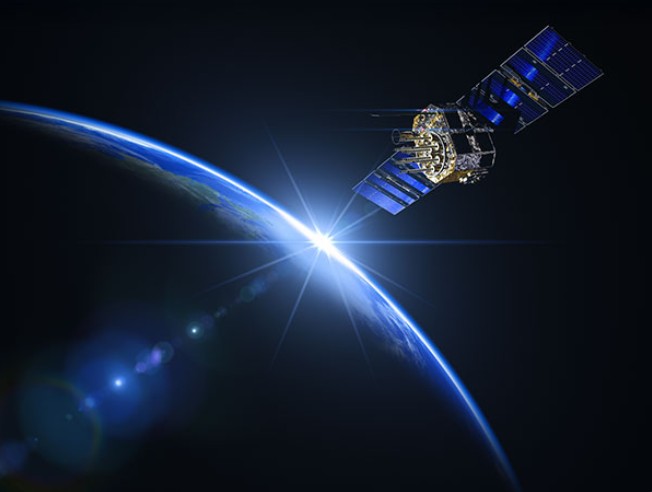
Artificial intelligence is driving an unprecedented surge in computing demand, pushing the world’s data centers toward higher power consumption, greater cooling requirements, and increasing pressure on electrical grids. As engineers search for alternatives, one idea has captured growing attention: placing AI data centers in orbit. The concept promises access to continuous solar energy, freedom from land and water constraints, and the potential to reduce the environmental impact of massive Earth-based facilities. However, the engineering challenges are far more complex than the concept suggests, tells Digital Engineering 24/7.
The article examines the technical realities behind orbital data centers and explains why they remain a long-term vision rather than an imminent solution. Unlike satellites, which perform specialized tasks with relatively modest computing needs, AI data centers require dense clusters of processors operating continuously while generating enormous amounts of heat. In space, cooling becomes one of the greatest obstacles because there is no atmosphere to carry heat away through convection. Instead, systems must rely on radiation, demanding large and highly efficient thermal management structures that add weight and complexity.
Radiation presents another major concern. High-energy particles gradually degrade electronic components, reducing system reliability and lifespan. Maintenance is equally challenging because replacing failed hardware in orbit requires expensive launch missions or robotic servicing capabilities that are still under development. Every kilogram launched into space significantly increases deployment costs, making scalability difficult despite declining launch prices. The article also notes that transmitting enormous volumes of data between Earth and orbit introduces communication delays and bandwidth limitations that could restrict many AI workloads.
Despite these obstacles, research into orbital computing continues because the long-term benefits could be substantial. If launch costs fall further, autonomous robotic maintenance becomes practical, and advanced cooling technologies mature, space-based data centers may complement rather than replace terrestrial facilities. For now, Earth remains the most practical location for AI infrastructure, while orbital computing is an ambitious engineering experiment that highlights the trade-offs among energy availability, thermal management, communications, reliability, and economics. Rather than offering an immediate answer to AI’s growing infrastructure demands, the concept illustrates how solving one engineering challenge often creates several new ones.
