

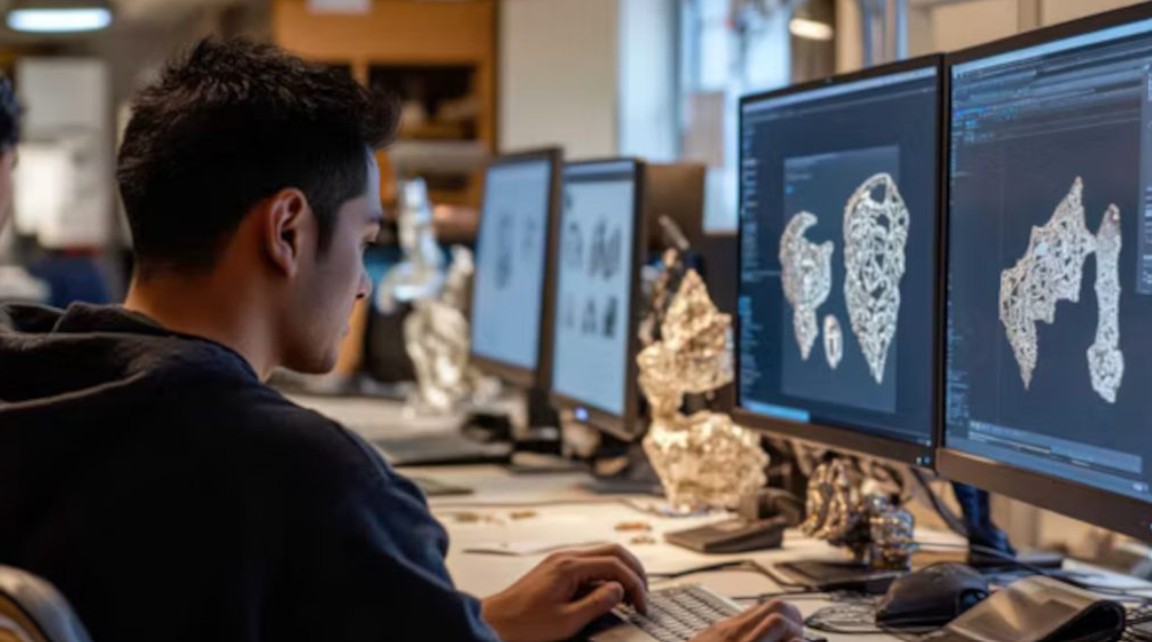
Generative AI is changing the way product startups approach design agencies, but not necessarily for the better. Nathan Partington of product design consultancy npd Studio argues that many prospective clients now arrive with concepts they believe have already been designed using AI. They expect professional designers and engineers simply to turn those concepts into manufacturable products, tells Develop 3D.
This shift can reduce early costs for startups, but it also brings design specialists into projects too late. Partington argues that effective design for manufacture depends on making sound decisions from the beginning. AI-generated pricing compounds the problem by creating unrealistic expectations about development costs. Investing in specialist expertise early can prevent more expensive tooling changes, redesigns, and delays later.
Data collected by npd Studio illustrates the issue. AI-generated briefs produced an estimated average project value of about £15,000, far below the consultancy’s £50,000 target. Its rejection rate climbed to 89%, largely because proposed products were poorly validated, unsuitable, or based on weak ideas. AI can make almost any concept look convincing, but visualization does not prove that customers need the product or that it can succeed commercially.
Experienced companies appear more cautious. Partington says established clients continue to rely on conventional design processes, while some senior design managers report restrictions on AI because of intellectual property and cybersecurity concerns. npd Studio still uses tools such as Onshape and KeyShot for design and visualization while applying automation mainly to administrative work, including planning, note-taking, analysis, and reporting.
The article does not reject AI outright. Instead, it argues for keeping AI in a supporting role. Product development still depends on human understanding of ergonomics, user experience, manufacturability, emotional response, and market relevance. AI can accelerate parts of the workflow, but designers and engineers must remain responsible for deciding whether an idea deserves to become a product.
