

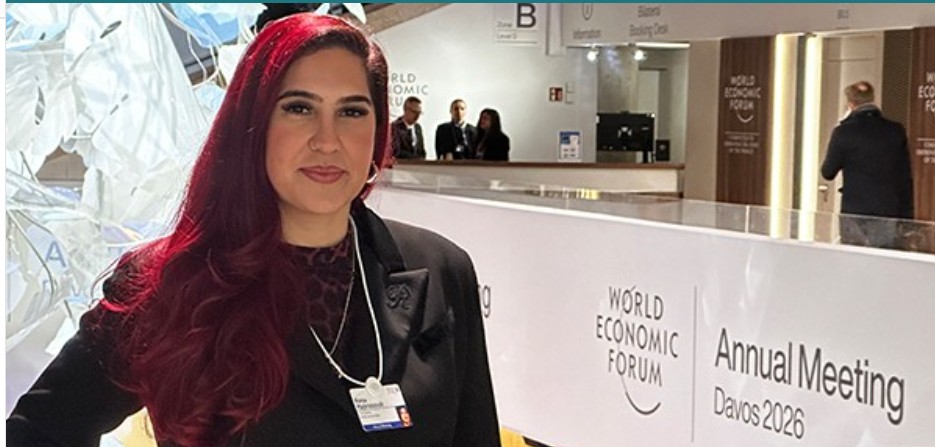
Engineering researcher Rana Hajirasouli is developing an artificial intelligence system that helps businesses keep materials out of landfill by turning waste into usable resources, tells this article from the University of Cambridge. She founded The Surpluss, a company that applies AI to messy organizational data so secondary resources become discoverable and traceable across supply chains. The system locates unused or surplus material, makes that data searchable, and matches it with companies that can reuse those materials, creating new revenue opportunities while cutting disposal costs. So far, the platform has helped save more than 4 million tons of resources from going to landfill.
The Surpluss operates from the United Arab Emirates and has grown rapidly, achieving 300% expansion in the last year. Its work has drawn international attention. Hajirasouli was invited to present at the World Economic Forum 2026 in Davos, where The Surpluss was one of five early-stage innovators selected by UpLink to discuss AI in circular value chains, resource security, and infrastructure resilience.
Hajirasouli frames the engineering challenge not as software development but as designing resource coordination systems that work under real constraints, such as incomplete data, regulation, and shifting supply chains. The AI platform digests unstructured organizational information and human inputs, turning them into actionable intelligence. This enables companies to find secondary market pricing mechanisms and identify opportunities to reuse materials that would otherwise be discarded.
By replacing a linear “take, make, dispose” model with one that emphasizes reuse, repair, and sharing, The Surpluss aims to boost industrial resilience, lower carbon emissions, and make supply networks more efficient. The platform’s subscription or partnership model provides businesses with intelligence and coordination tools without monetizing individual transactions, because the value comes from overall system efficiency.
