

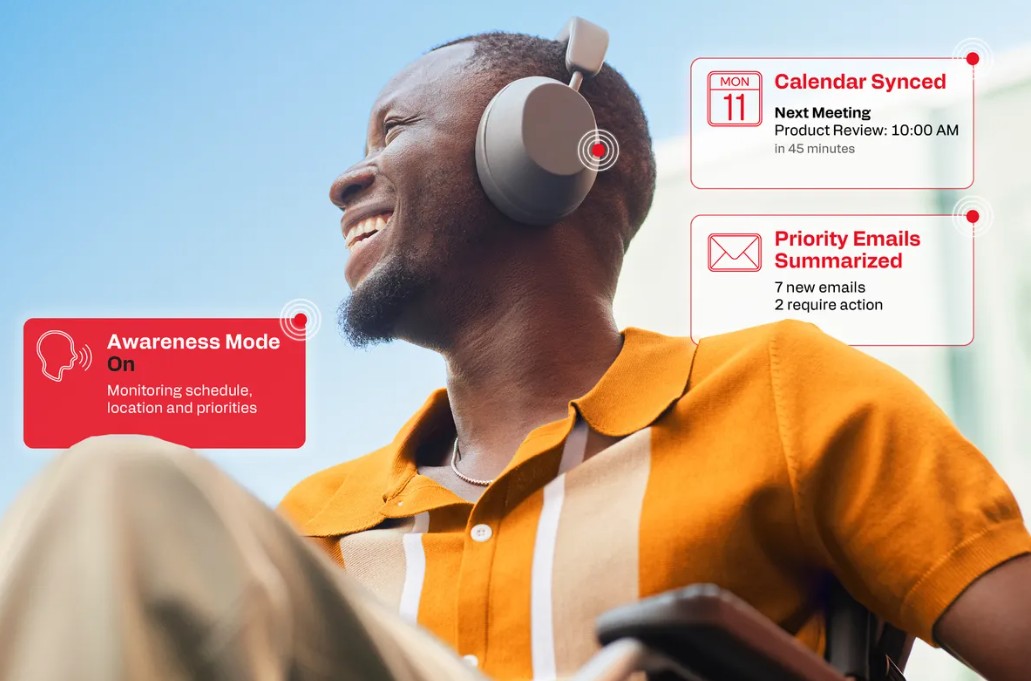
Artificial intelligence is reshaping consumer expectations for personal assistants and wearable technology. Smartwatches, earbuds, and smart glasses are evolving beyond standalone accessories into interconnected devices capable of delivering personalized, context-aware assistance.
A Qualcomm Technologies-commissioned survey of more than 12,000 consumers across six countries, including India, reveals growing interest in AI assistants that can coordinate everyday activities across multiple devices and applications, tells IEEE Spectrum.
Nearly 70% of respondents expressed strong interest in personal AI assistants capable of managing tasks, retrieving information, and interacting with connected devices. Consumers increasingly expect these systems to understand their preferences, anticipate requirements, and provide relevant assistance without constant manual input.
Wearable technology is emerging as an important interface for these capabilities. Approximately 60% of wearable owners reported using AI features at least once a week, suggesting that intelligent functionality is becoming part of everyday device interactions.
Smart glasses, wireless earbuds, and smartwatches offer different opportunities for AI integration. Voice commands, contextual notifications, and hands-free interactions could make digital assistance more accessible throughout the day.
The survey also highlights the importance of interoperability. Consumers want AI assistants to operate across smartphones, wearables, and other connected products rather than remain confined to individual applications or proprietary ecosystems.
However, privacy and security remain significant concerns. Nearly 60% of respondents preferred keeping wearable data private or sharing it only with explicit permission. This underscores the need for transparent data management, secure processing, and meaningful user control.
For engineers and technology developers, these findings highlight several design priorities, including efficient on-device AI processing, reliable connectivity, battery optimization, and secure data exchange.
As intelligent wearables become more capable, their success will depend on delivering useful, personalized experiences while addressing consumer expectations for privacy, reliability, and control.
