

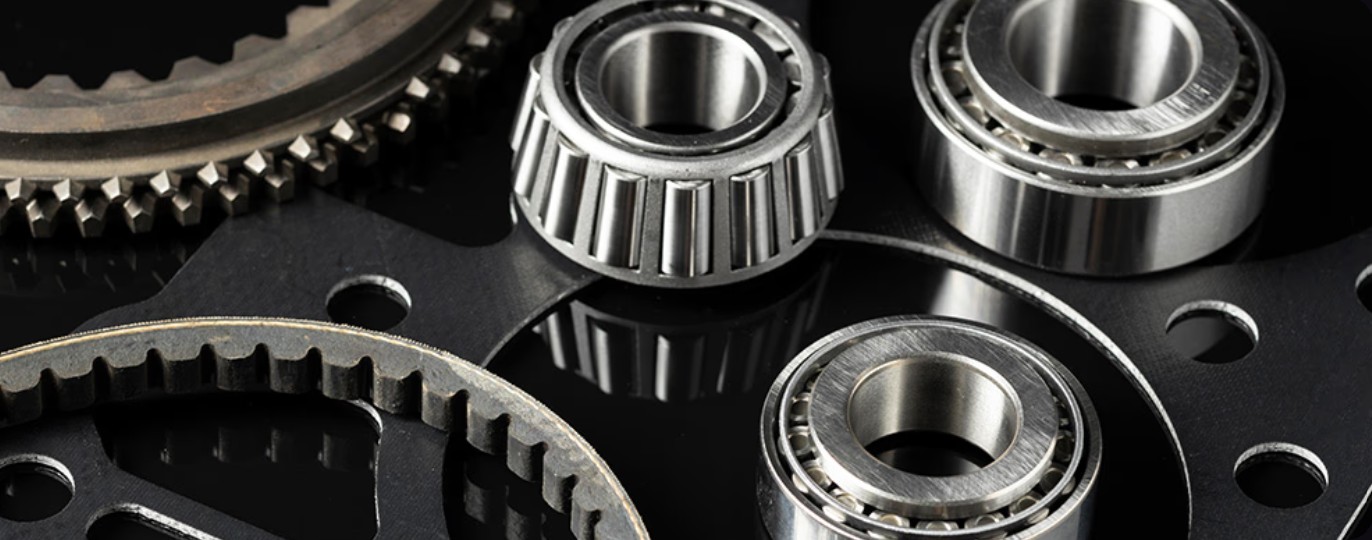
Reverse engineering often begins with a challenge: identifying an unknown mechanical or electronic component without access to its original specifications. Engineers restoring machinery, repairing vehicles, or maintaining legacy equipment traditionally rely on catalogs, manual measurements, and expert knowledge. Artificial intelligence is making this process faster by identifying components from images, sketches, or written descriptions, tells Leo AI.
AI-powered reverse engineering uses computer vision and natural language processing (NLP) to recognize components and retrieve relevant engineering information. Computer vision models, including convolutional neural networks and transformer-based architectures, analyze geometric features and compare them with existing component databases or CAD models. These systems can identify potential matches, alternative components, and compatible replacements.
For example, an engineer can upload a photograph of a bracket or valve, allowing AI to suggest possible part numbers and manufacturers. When photographs are unavailable, NLP enables engineers to describe a component’s shape, dimensions, material, or function in everyday language. The system interprets these descriptions and searches engineering libraries for suitable matches.
Leo AI combines these capabilities in an engineering assistant designed to simplify component identification. Users can upload images or describe unfamiliar parts to retrieve specifications, replacement options, CAD models, and supplier information. The platform draws on engineering datasets covering mechanical fasteners, automotive sensors, printed circuit board components, and other industrial parts.
Geometric similarity search further improves the process by matching uploaded images or CAD files against existing designs. According to Leo AI, this approach can reduce identification time from hours to seconds while providing sourcing options and estimated costs.
The technology has applications across manufacturing, automotive maintenance, equipment restoration, and supply chain management. It can also help engineers reuse existing components instead of designing replacements unnecessarily.
By connecting visual recognition, language understanding, and engineering databases, AI makes reverse engineering more accessible and efficient, although engineers must still verify component compatibility and technical specifications.
