

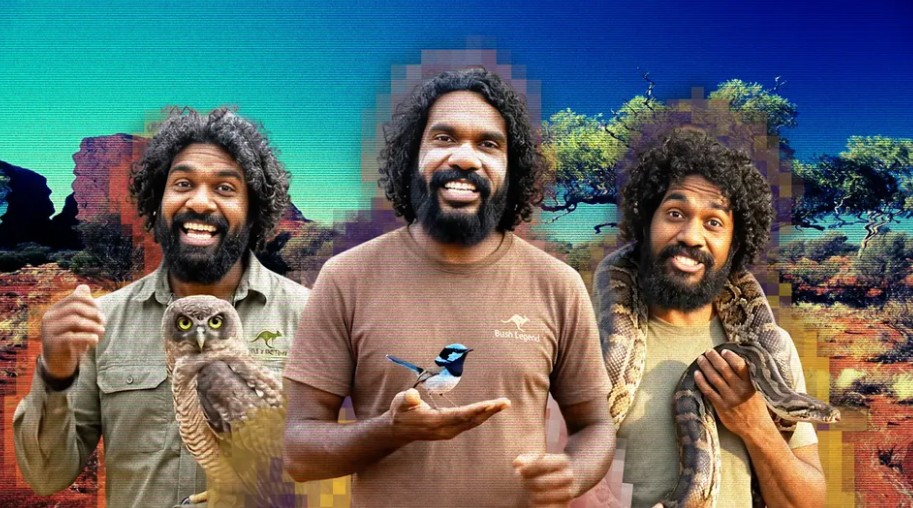
A popular social media personality known as “Bush Legend,” presented as an Indigenous wildlife expert on TikTok, Instagram, and Facebook, has been revealed to be entirely AI-generated rather than a real person, tells Live Science. The account, which features an Aboriginal man introducing native animals with upbeat narration and themed music, had attracted thousands of followers and enthusiastic comparisons to figures such as Steve Irwin. Many viewers did not realize the persona was synthetic because the videos often show photorealistic visuals and naturalistic audio. Some posts do disclose AI creation in the profile or caption, but most casual viewers never see those disclosures.
The creator of “Bush Legend” appears to be based in Aotearoa, New Zealand, and has no known ties to Aboriginal or Torres Strait Islander communities, leading to intense criticism from Indigenous advocates and cultural commentators. Critics characterize the project as a form of “digital blackface” and cultural appropriation—a term that refers to adopting the likeness, voice, or identity of marginalized groups in ways that perpetuate stereotypes or exploit their imagery without consent. In this case, Indigenous cultural elements, such as body paint and traditional music cues, are woven into the AI content without meaningful community involvement.
Opponents argue that synthetic representations like this do more than misinform; they can displace authentic Indigenous voices online and perpetuate harmful tropes under the guise of entertainment or education. Both social media commentary and academic observers note that such AI-generated personas benefit financially and socially the non-Indigenous creators rather than the communities whose cultures are depicted.
The controversy highlights broader ethical concerns about AI’s use in cultural representation. As generative tools make lifelike avatars easy to produce, there is growing discussion about the need for stronger media literacy, ethical standards for cultural content, and support for real Indigenous creators who share knowledge rooted in lived experience rather than synthetic simulation.
