

PTC’s Onshape is showing how generative AI can help engineers turn repetitive modeling processes into reusable CAD tools. The cloud-native platform combines CAD and product data management, allowing teams to collaborate directly on live models while maintaining a complete record of design changes, tells Machine Design.
Traditional CAD workflows often depend on files that must be saved, shared, copied, or checked out before others can work on them. This approach can create version confusion, particularly when distributed teams, suppliers, manufacturing partners, and simulation specialists collaborate. Onshape instead stores models on cloud servers, enabling multiple users to work on the same design simultaneously.
Built-in version history automatically records changes. Engineers can also create branches to test alternative concepts without affecting the main design, then merge successful modifications back into the primary workspace. This structure provides a controlled environment for AI-assisted experimentation because AI-generated changes can remain separate until engineers review them.
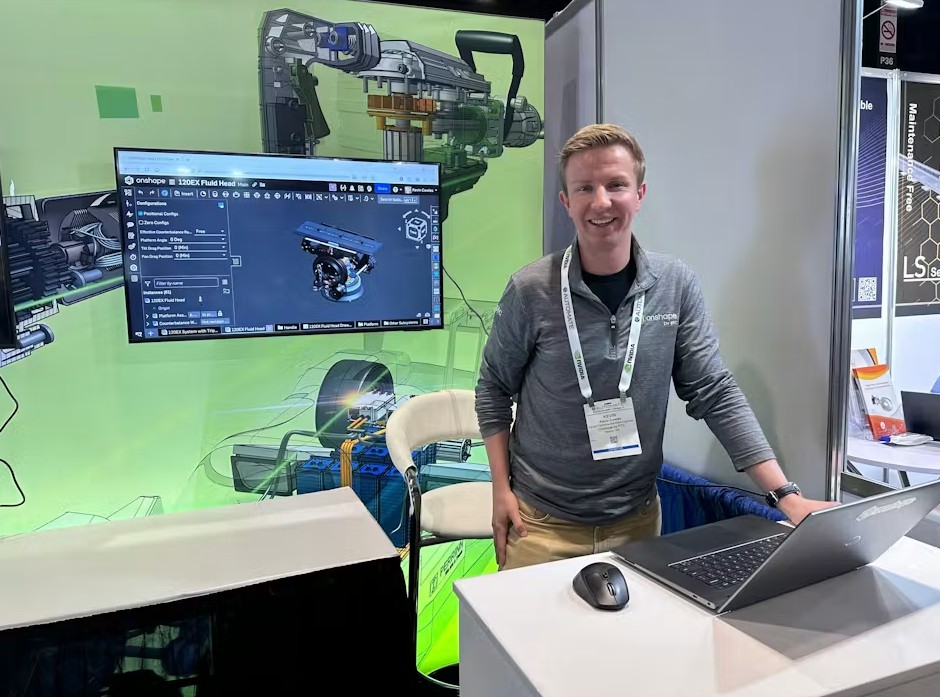
Kevin Cowles, senior technical services engineer at Onshape by PTC, demonstrated how generative AI can support FeatureScript, Onshape’s programming language for creating custom modeling commands. Engineers can describe the desired behavior in text, use AI to generate FeatureScript, and convert the result into a reusable CAD feature.
For example, a company could replace several repetitive steps required to create a standard bearing or fastener with a single customized feature. Teams can distribute these tools internally, helping engineers follow common design practices and company standards.
PTC is also extending its cloud approach to Model-Based Definition, including GD&T, weld symbols, datums, and other manufacturing information embedded in 3D models.
AI-generated features still require engineering review, testing, and approval. However, combining AI with traceable design history and cloud-based PDM could help teams automate routine modeling while preserving accountability and control over final engineering decisions.
