

Architosh’s seventh AIA26 show-floor report highlights a growing shift toward AI-assisted quality control, connected BIM workflows, and better management of project data. Among the products featured are ArchiBoost AI, Arcol, Egnyte, Layer 4, and BIMbeats.
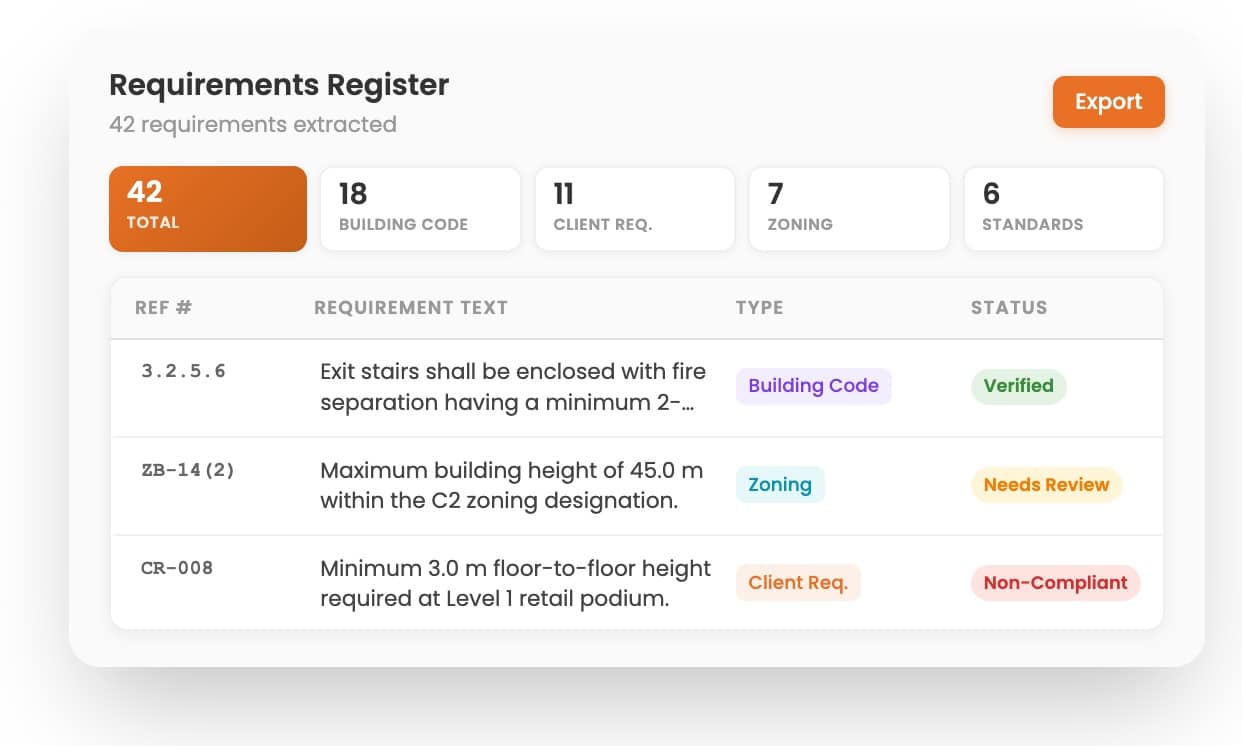
ArchiBoost AI represents one of AIA26’s strongest trends: applying AI to QA/QC and compliance. The platform connects a firm’s accumulated knowledge, including BIM execution plans, standards, specifications, and best practices, with requirements unique to individual projects. Architosh notes that AI systems for reviewing drawings and models were particularly prominent at this year’s event.
Arcol continues developing its BIM 2.0 platform with bidirectional spreadsheet synchronization and a two-way bridge between Rhino geometry and Arcol. Its multiplayer environment lets architects, owners, and contractors simultaneously edit models without file locking or manual synchronization. The company also envisions AI agents eventually working directly alongside human users inside models.
Egnyte addresses another AEC challenge: managing large project files securely across distributed offices. Its hybrid cloud architecture combines local network performance with cloud synchronization. New AI capabilities can transform organizational files into searchable firm knowledge, while MCP connectors link Egnyte with applications including Gmail, Jira, Confluence, Procore, and Slack.
Layer 4 focuses on building data and field workflows. It replaces cumbersome spreadsheets with configurable records for surveys, equipment, field reports, and room data while connecting information with Revit.
Finally, BIMbeats analyzes software and hardware utilization across architecture practices. By monitoring applications, project files, and computing resources, it can expose performance bottlenecks and help firms avoid overspending on underused hardware. Together, these platforms show AEC software becoming more connected, data-aware, and increasingly influenced by AI.
