

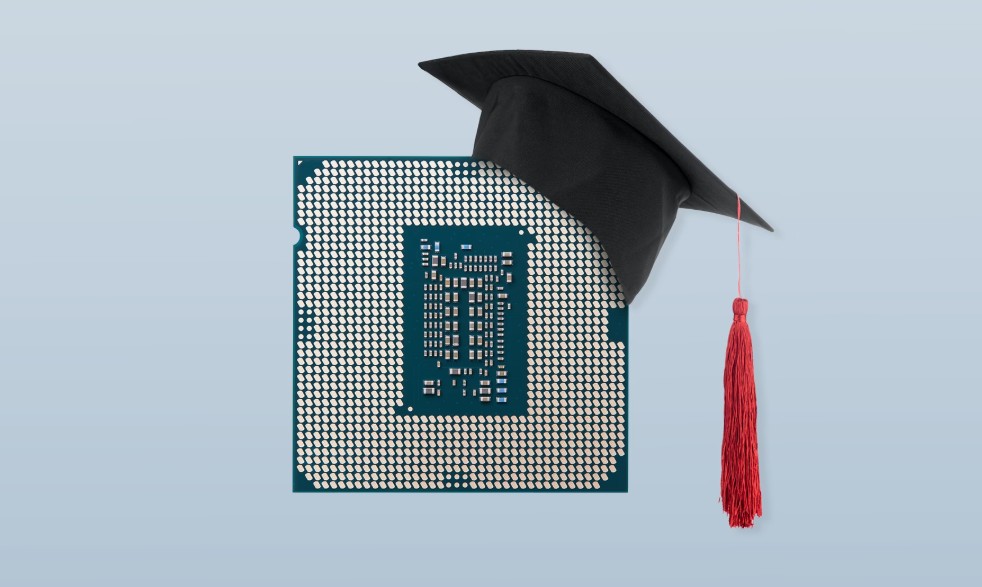
Artificial intelligence companies are recruiting an increasing number of leading academics, transforming themselves into research institutions that rival the world’s top universities. The Atlantic article examines the growing migration of professors from academia to companies such as Anthropic, OpenAI, Meta, and DeepMind. While computer scientists make up the largest share of these hires, AI firms are also bringing in economists, philosophers, physicists, legal scholars, and political scientists, reflecting the broad range of expertise needed to develop advanced AI systems.
The shift is driven by more-than-generous salaries. Frontier AI research now depends on enormous computing resources, specialized data, and substantial financial backing that universities often cannot provide. Recent cuts in U.S. federal research funding have widened this gap, making industry an increasingly attractive destination for researchers seeking to work on the most advanced AI models. Many academics argue that joining an AI company offers the opportunity to tackle problems that would be impossible to pursue within the limits of a university laboratory.
The article explains that universities have long served as the foundation of AI innovation, producing open research that fueled many of today’s breakthroughs. As more professors move into private industry or split their time between companies and universities, the center of AI research is shifting away from academia. This transition may accelerate scientific progress because researchers gain access to powerful infrastructure and fewer administrative hurdles, but it also reduces opportunities for students to learn from leading experts and participate in frontier research.
Another concern is the growing secrecy surrounding AI development. Earlier generations of industry researchers routinely published their work, allowing the broader scientific community to build upon new discoveries. Today, intense competition encourages companies to keep both research findings and AI models confidential. Studies cited in the article suggest that academics who permanently join industry publish significantly fewer research papers, raising concerns about transparency, reproducibility, and the long-term health of scientific inquiry.
The article concludes that AI companies are becoming powerful centers of scientific research, but their rise could fundamentally reshape higher education. If talent, computing power, and knowledge continue to concentrate within private firms, universities may struggle to educate the next generation of AI researchers while the future direction of AI becomes increasingly influenced by corporate priorities rather than open academic collaboration.
