

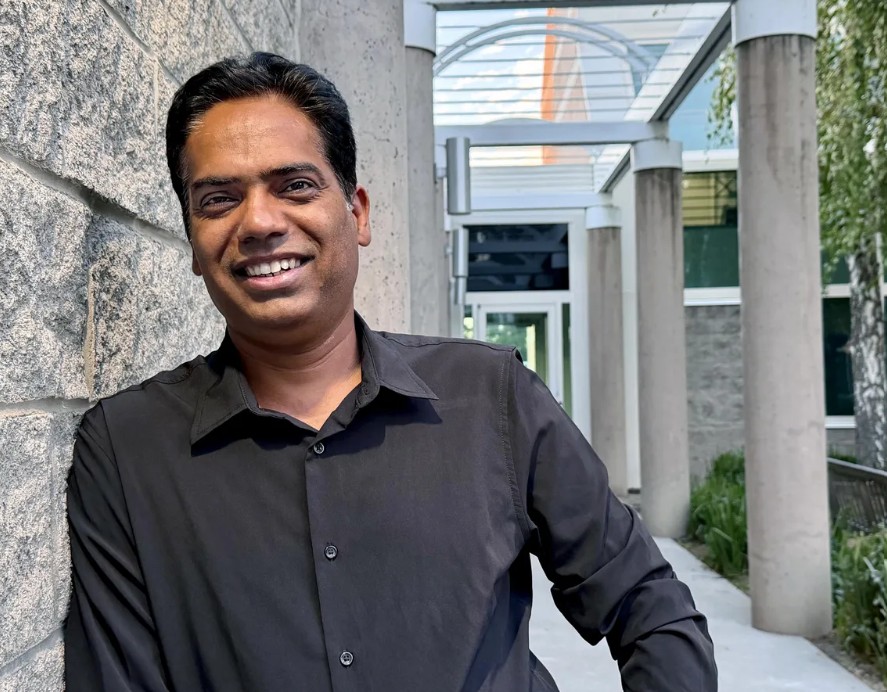
As AI agents take on increasingly complex tasks, understanding what they do, which information they use, and whether their outputs can be trusted is becoming an important engineering challenge. At Anthropic, IEEE Senior Member Gurmeet Saran is developing infrastructure designed to make Claude’s behavior more observable while ensuring data remains accurate, structured, and private, says IEEE Spectrum.
Saran argues that trustworthy AI begins with trustworthy data architecture. Privacy and governance cannot simply be added after a system is built. They must be incorporated from the beginning, particularly when AI agents process sensitive information and perform sequences of actions that can be difficult to monitor.
His approach draws on more than two decades of data engineering. At Yahoo, Saran helped establish standardized definitions for business metrics so different teams would not produce conflicting results from the same data. At Intuit, he worked on analytics infrastructure while meeting strict requirements for protecting taxpayer information. At Meta, he addressed inconsistencies in video metrics by helping establish a common system for calculating them across the company.
Saran joined Anthropic in 2025 and now applies similar principles to AI. The challenge is considerably harder because agents perform multistep actions using changing context. Engineers need to capture what an agent did, what information influenced its actions, and whether the outcome matched user expectations, all without revealing private information.
Saran compares the problem with monitoring medical equipment. Reliable decisions depend on instruments producing accurate readings, particularly in difficult cases where small errors can have significant consequences.
He believes making AI systems genuinely auditable and transparent will be one of the major engineering challenges of the next decade. Saran also sees a role for IEEE in developing AI infrastructure standards, similar to established standards in other engineering fields, while expanding access to the global technical community as AI development becomes more widespread.
