

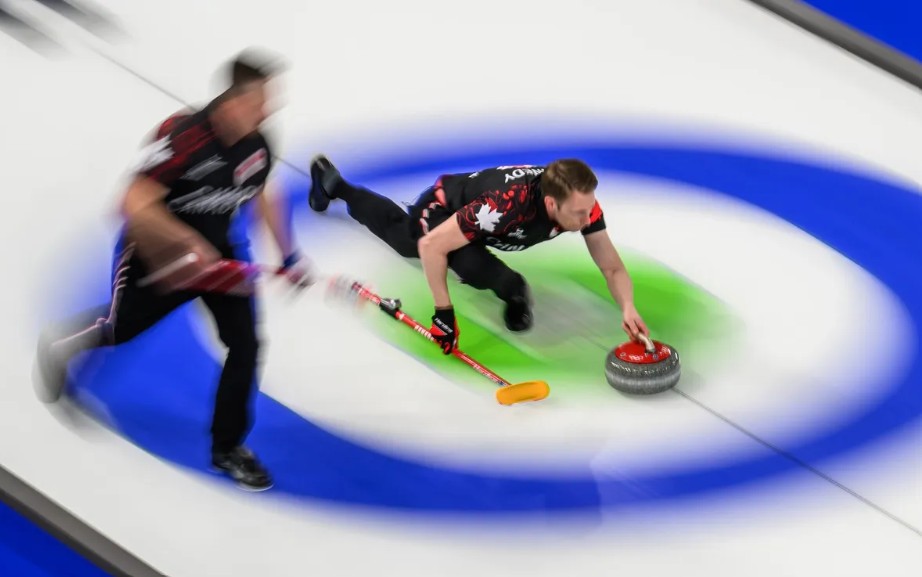
At the Winter Olympics and other elite curling events, artificial intelligence and robotics are moving from the fringes into the center of the sport. Machines like Curly and more advanced hexapod systems combine vision systems, adaptive algorithms, and precise mechanics to deliver stones and analyze play with a level of repeatability and strategic computation that was once exclusive to human athletes. These systems use cameras, LiDAR, and AI to map stone positions on the ice and calculate shot parameters, helping researchers and coaches understand how tiny variations in speed, rotation, and ice texture affect outcomes. Robots are not just teaching aides; systems such as Curly have demonstrated competitive performance against human teams, turning the sport’s inherent physical and tactical uncertainty into data that machines can parse and optimize, tells IEEE Spectrum.
The rise of these technologies has practical benefits for training. Mechanized launchers standardize throws so athletes can isolate the effects of sweeping techniques and equipment changes on stone paths, accelerating experimental iteration that would otherwise require countless hours on the ice. Dedicated government programs, such as Japan’s Curling of the Future, bring together engineers and athletes to prototype robots, AI strategy engines, and even instrumented “smart stones” that log performance data during practice.
But this technological push also stirs debate about the character of curling itself. Purists worry that shifting authority from instinctive judgment and the so-called Spirit of Curling, an ethos valuing respect, sportsmanship, and human skill, toward calculated algorithms could erode the sport’s identity. Critics note that while AI excels in optimization and consistency, robots still can’t replicate human sweeping, a critical part of live competition that influences stone trajectory after release.
As digital tools become more integrated into training and strategy at the highest levels, curling faces a pivotal moment: embracing innovation without losing the human nuance that has defined the sport for generations.
