

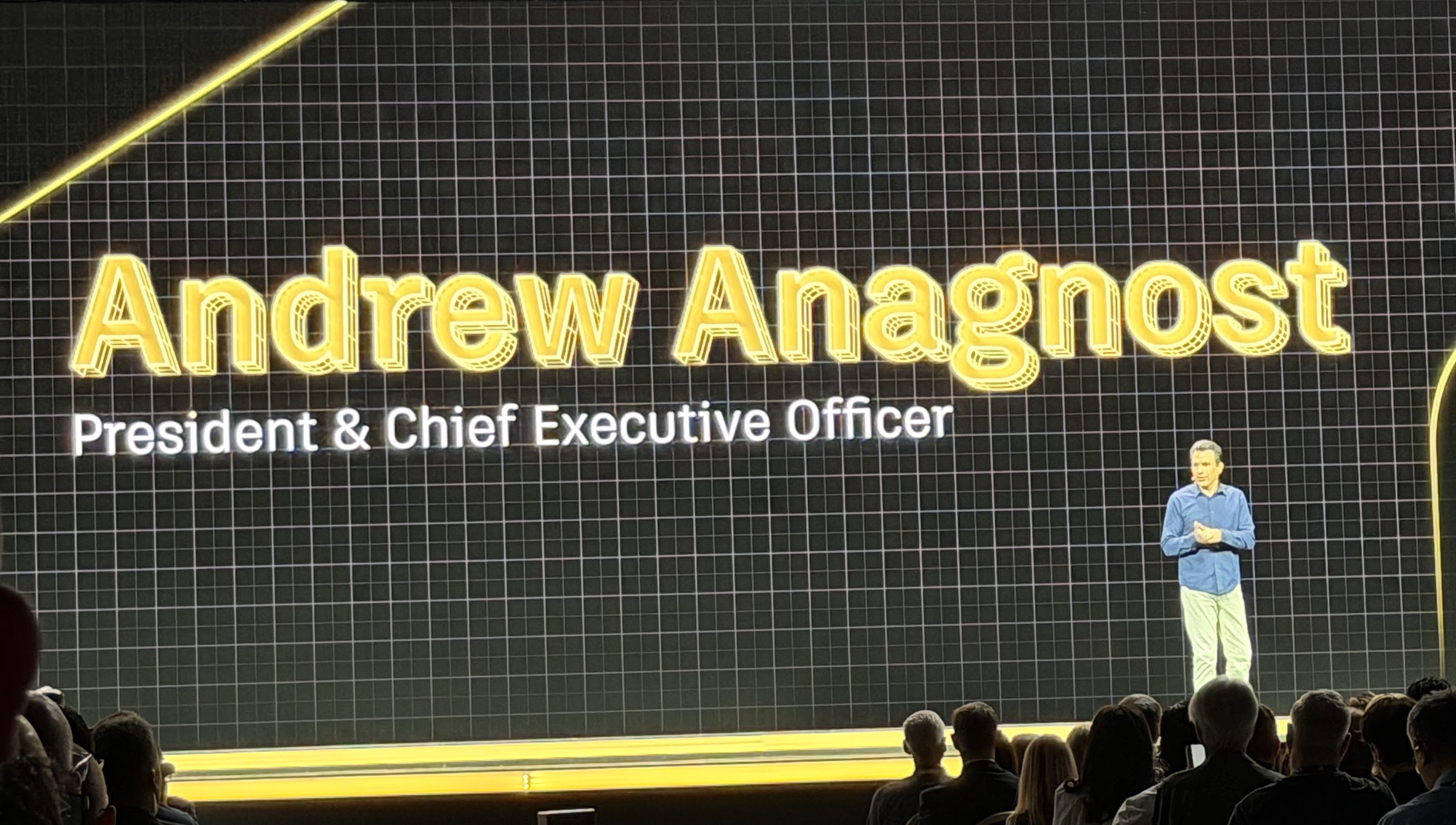
At Autodesk University 2026, Autodesk demonstrated a PLM scenario that began with a supplier email warning of a motor shortage. An AI assistant identified affected products, suggested alternatives, and helped engineers update the bill of materials and prepare a change order. Beyond PLM’s Oleg Shilovitsky tells that the demonstration illustrated Autodesk’s larger strategy: giving AI enough context to understand not only product data but also the circumstances surrounding engineering decisions.
The example involved 2,400 motors at risk with no approved alternatives. Selecting a replacement required information about product requirements, supply availability, geometry, production schedules, and possible design changes. Autodesk brought these factors into a shared environment while leaving engineers responsible for reviewing proposed changes.
Central to this strategy is Autodesk Context. Introduced by Autodesk CTO Raji Arasu, the technology uses a context graph to connect project information with people, decisions, and activities. Traditional lifecycle systems can record what changed and who approved it, but they often fail to preserve why a decision was made.
Similar ideas appeared in Autodesk’s construction demonstrations. An AI assistant connected an RFI with affected building elements and scheduled activities, helping identify issues that could disrupt upcoming work.
Shilovitsky argues that faster AI-generated alternatives do not automatically improve the entire engineering process. Supplier qualification, reviews, approvals, and other downstream steps can remain bottlenecks even when design tasks accelerate.
A larger challenge is extending context beyond Autodesk applications. Manufacturers commonly use multiple CAD platforms, PLM and ERP systems, supplier portals, and spreadsheets. Engineering decisions may depend on information distributed across all of them.
Autodesk’s direction therefore extends beyond connecting design tools. The company is exploring software that can coordinate decisions across the product lifecycle. The critical test will be whether teams can later reconstruct why decisions were made and retain that context as information moves between different enterprise systems.
