

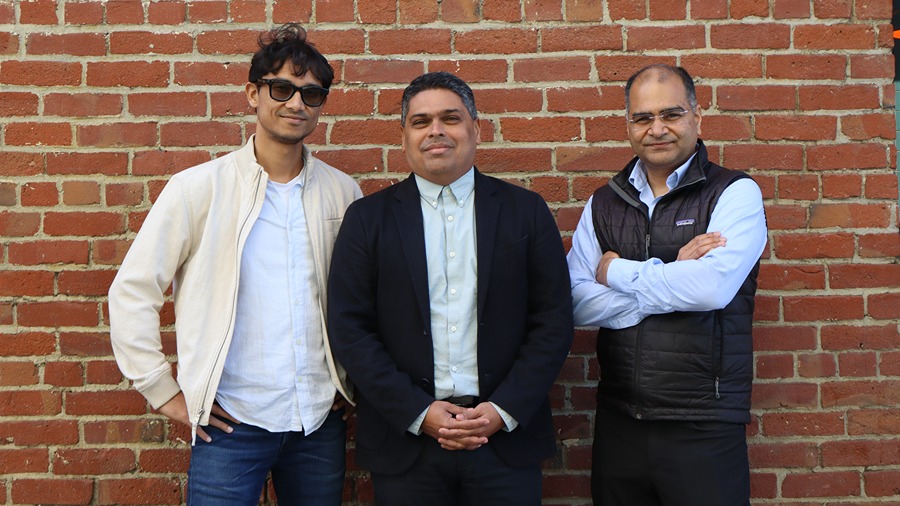
SAN FRANCISCO, CA, Sep 28, 2026 – Autoheal has raised $7.9 million in seed funding to expand software for managing AI agents that handle incident response, vulnerability remediation and other engineering tasks. Its Evaluator and Healer agents assess completed work and propose changes to instructions, tools and models for approval.
Innovation Endeavors led the round, with Harpinder Singh joining Autoheal’s board. Emergent Ventures, U&I Ventures, Darkmode Ventures, Batch Ventures and Param Hansa Values also participated.
Autoheal provides engineering information, controlled production access, private evaluations and cost controls for agents across the software development lifecycle (SDLC). Its tools also address large language model (LLM) spending and the context agents need to perform tasks.
“Our experience taught us that while building the first version of an AI agent is easy, scaling it consistently across the enterprise SDLC is the real challenge,” said Sid Choudhury, co-founder and CEO of Autoheal. “Platform engineers need more than cloud agents that execute tasks. They need a unified platform to deploy, govern, and continuously improve those agents across complex enterprise workflows. That’s why we built Autoheal.”
Agent Evaluation and Updates
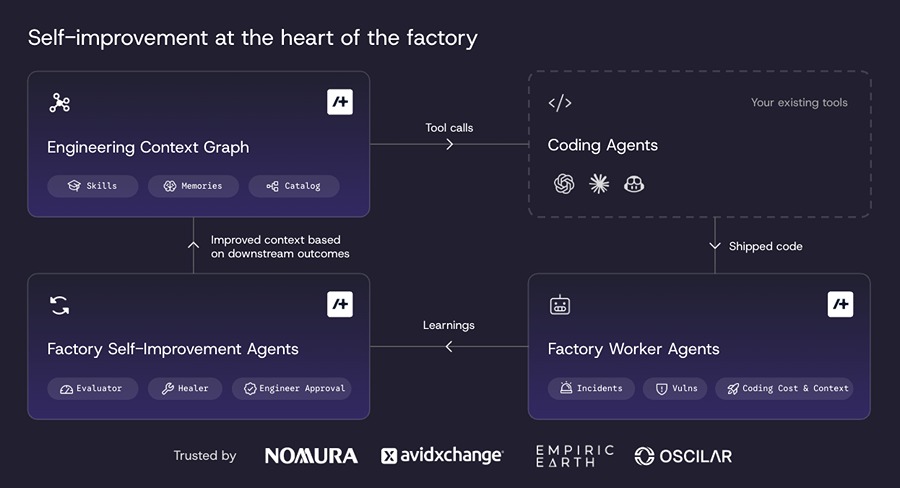
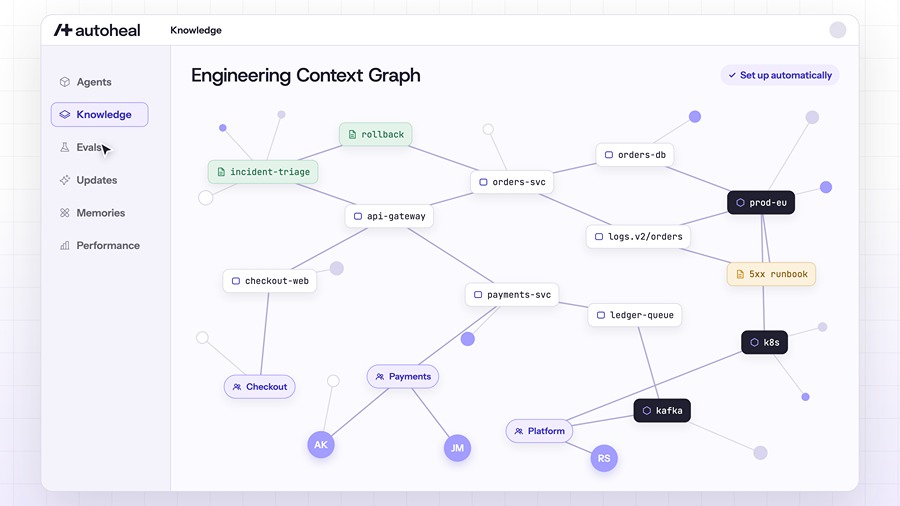
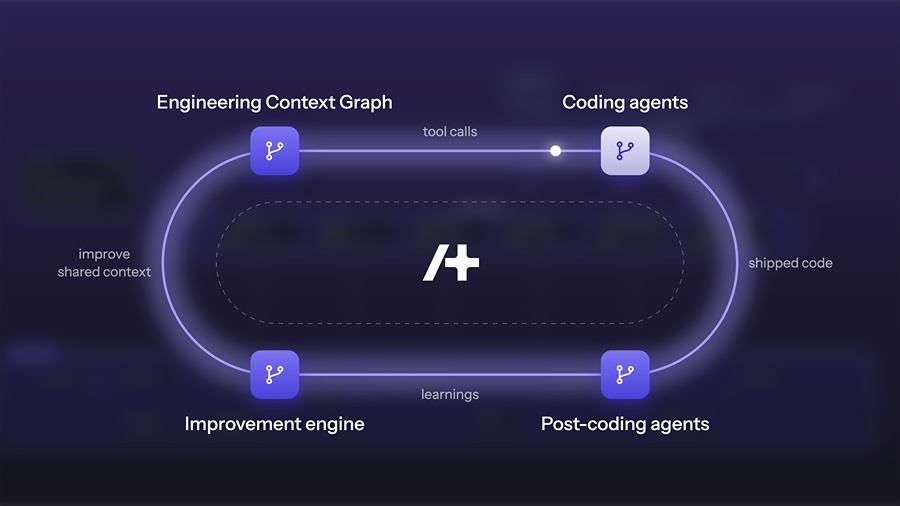
Autoheal connects existing coding agents, code repositories, continuous integration and delivery tools, monitoring systems, cloud environments and issue trackers. A shared engineering context graph supplies information to worker agents performing repetitive tasks after code creation.
Two background agents evaluate that work and propose updates:
- Evaluator: Scores each worker agent’s run. For coding agents, it can assess specifications and pull requests using review comments, continuous integration failures and resulting production incidents.
- Healer: Opens pull requests to update low-scoring agents’ skills, prompts, tools or model selections. It checks proposed changes against historical benchmarks for regressions before submitting them for review.
Autoheal also governs and audits agent actions, with visibility into access, reasoning and costs.
Customer Deployments
Nomura Bank, AvidXchange and Empiric Earth use Autoheal for production operations, incident investigation and troubleshooting. Autoheal also reports use in customer support escalations.
“Our production operations teams spend valuable time triaging alerts and managing incidents, while also pulling engineers away from their software development activities. Autoheal gives us a platform that takes investigation timelines down from hours to minutes. The fact that it runs entirely within our own cloud, in compliance with our controls, made it a natural fit for how we operate,” said Sameer Jain, CIO, Wholesale at Nomura Bank.
“In production incident response, Autoheal took our time to root cause to minutes, with evidence our engineers trust. That’s time our developers stay focused on feature work. Next, we’re shifting it left into other critical parts of our SDLC, because every engineering hour we get back goes into shipping faster for our customers.” said Krish Shetty, CTO & SVP, at AvidXchange.
“Autoheal helped us tackle two major challenges at once: making our engineers faster at troubleshooting across our complex environment, and significantly optimizing our software costs across our monitoring stack.” said Vijay Pendyala, SVP engineering & customer success, at Empiric Earth.
Company Background
Autoheal’s founders previously worked on enterprise engineering and AI products at Harness, Microsoft Azure, ThoughtSpot and AppDynamics. That experience informed Autoheal’s approach to managing agents as code, with ongoing evaluation and updates as engineering systems change.
“Enterprises are moving quickly from experimenting with AI agents to asking how they can operate them safely and efficiently at scale across the entire software factory,” said Harpinder Singh of Innovation Endeavors. “Autoheal is building the agent infrastructure layer that makes that possible. The opportunity is much larger than one agent or one workflow. It is giving platform teams a repeatable scalable way to deploy specialized intelligence across the engineering organization.”
Private Model Development
Autoheal plans to capture engineering processes and architectural decisions through its agents’ operational work. It intends to use that data to train private models with different architectures for individual customers.
The company plans for those models to handle most tasks that are not generative in nature. Longer-term plans include extending the approach to data engineering and security engineering.
Source: Autoheal
About Autoheal

Autoheal develops software that automates operational tasks for engineering teams. Founded in 2025, it is based in San Francisco, CA. Its AI agents investigate production alerts, analyze incidents and suggest fixes for human review. Other agents assess release readiness, identify software vulnerabilities, handle customer support escalations and track coding costs. Autoheal serves platform engineering, site reliability, DevOps and developer experience teams, including those at regulated businesses. Its software connects with observability tools, cloud infrastructure, code repositories and collaboration apps. An engineering context graph links system data, application logic, operational tools and previous incident decisions. Customers can use the service as hosted software, in a hybrid setup or within their own cloud.
