

A BIM model can calculate a room’s area correctly and still produce a misleading report. Snaptrude argues that every area value needs a stated purpose and measurement method. Gross, net, usable, rentable, departmental, and program areas can differ because they use different boundaries, exclusions, and reporting rules. A label alone does not make two figures comparable.
The article recommends separating three layers of information. Each modeled space needs a stable identity, including an identifier, name, level, and location. Separate classification fields can describe its department, function, occupancy, lease group, or project status. Quantity definitions then specify the measurement boundary, governing standard, units, formula, inclusions, exclusions, and the way values contribute to larger totals. This prevents a room name or single category from carrying several unrelated meanings.
Teams should first identify the decisions an area report must support, such as program compliance, leasing, development appraisal, or code review. They can then choose applicable measurement standards and define how shared spaces are allocated. Snaptrude urges designers to test difficult cases, including shafts, atria, balconies, double-height spaces, and unassigned areas. Sample figures should be traced back to model boundaries, with totals reconciled at floor, building, and project levels.
Targets from a brief, actual measurements from current geometry, and planning allowances belong in separate fields. A calculated variance can show the gap without erasing its source. Manual overrides and revisions should remain visible. The article also recommends checking units, duplicate classifications, double counting, and exported data. A correct grand total can hide mistakes that cancel each other out.
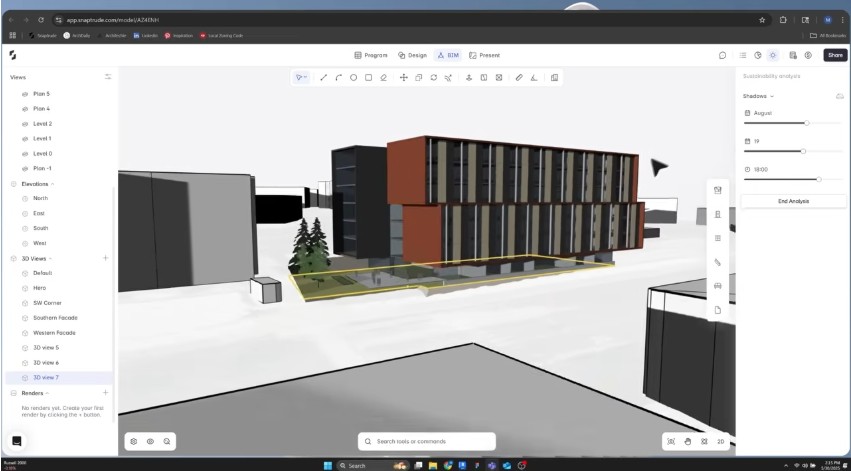
Snaptrude says its connected program, modeling, tagging, and scheduling tools can support multiple views of the same spaces. Yet the project team must define the rules before software applies them. Reliable area reporting comes from making each number traceable to its geometry, definition, source, and use.
