

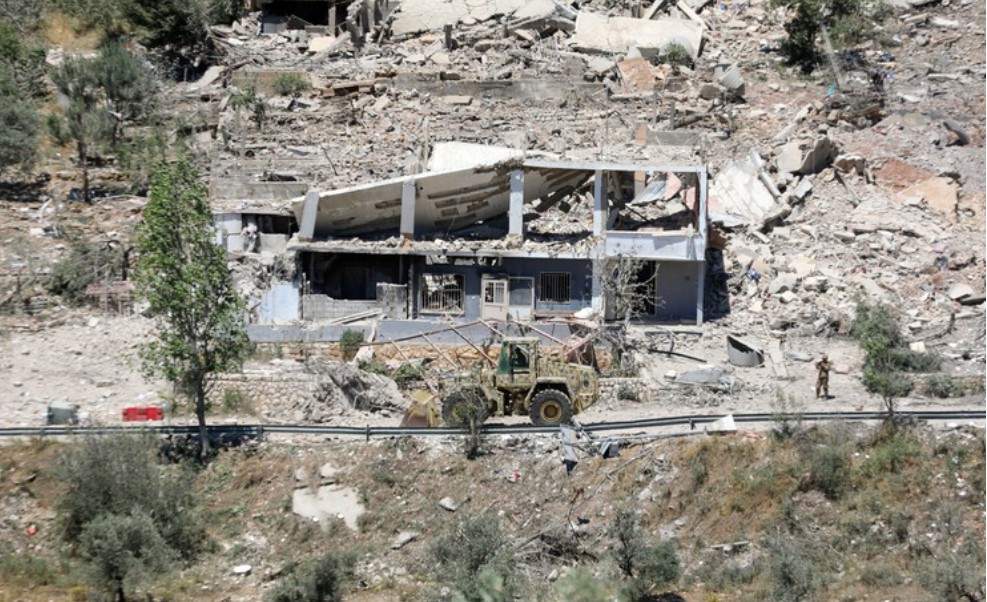
On a single day, four major earthquakes struck different parts of the world, exposing striking differences in the resilience of the built environment. This ArchDaily article argues that earthquakes do not become disasters solely because of their magnitude. Instead, the extent of destruction depends largely on the quality of buildings, infrastructure, regulations, and preparedness. The comparison highlights that seismic resilience is the product of long-term investment, engineering expertise, and effective public policy rather than geography alone.
The article examines how countries with frequent seismic activity have developed comprehensive strategies to reduce risk. Japan, for example, has strengthened its building regulations following devastating events such as the 1995 Kobe earthquake and the 2011 Great East Japan Earthquake. Modern structures increasingly incorporate base isolation systems, energy-dissipating devices, structural reinforcement, and earthquake early warning technologies. These measures allow buildings to absorb seismic forces, protect occupants, and remain operational after major earthquakes.
By contrast, regions with weaker construction standards or limited investment in resilient infrastructure often experience catastrophic losses even during earthquakes of similar intensity. The article emphasizes that failures extend well beyond collapsed buildings. Damage to roads, bridges, hospitals, utilities, and communication networks slows emergency response, disrupts healthcare, and delays community recovery. As a result, resilience must be considered across the entire urban system rather than at the level of individual structures alone.
The discussion also highlights the evolving role of architects and engineers. Seismic design is no longer limited to preventing collapse. It now focuses on maintaining functionality, minimizing downtime, and enabling communities to recover quickly. Achieving these goals requires collaboration among architects, structural engineers, urban planners, policymakers, and emergency management professionals. Design decisions must account for local geological conditions, construction practices, and long-term maintenance instead of relying on universal solutions.
Ultimately, the article presents seismic resilience as an ongoing process rather than a single engineering achievement. Strong building codes, continuous technological innovation, resilient infrastructure, and sustained public investment collectively determine whether cities can withstand future earthquakes. The built environment, therefore, reflects not only architectural ambition but also a society’s commitment to protecting lives and ensuring long-term urban resilience.
