

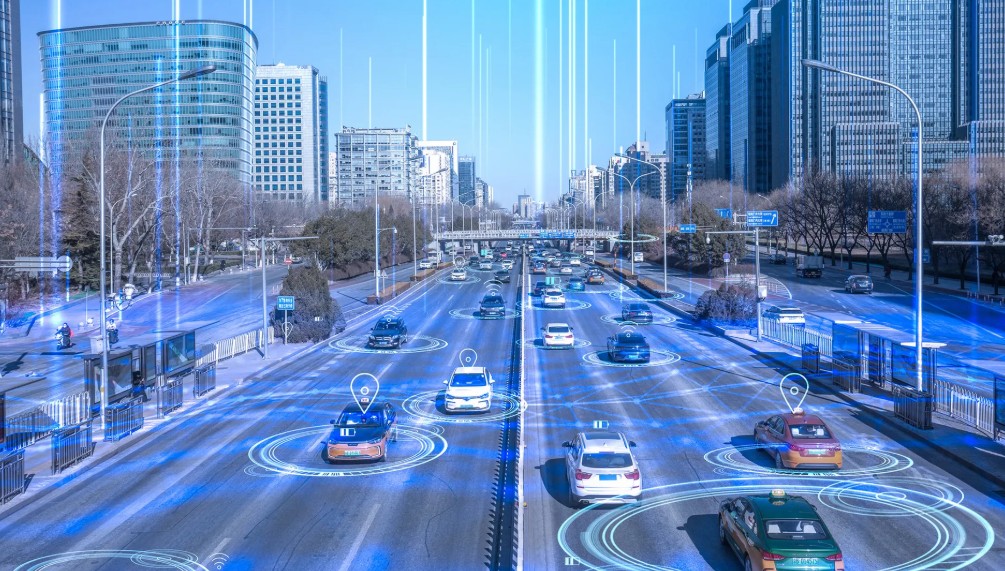
Cars could change considerably over the next decade as automation, electrification, connectivity, and artificial intelligence move from experimental systems into production vehicles. Live Science (full article available to subscribers) explores technologies that could make future cars more autonomous, energy-efficient, and aware of their surroundings.
Solar power could reduce electric vehicles’ dependence on charging stations. Aptera has demonstrated a vehicle with integrated solar panels capable of adding about 40 miles of range per day. Mercedes-Benz is researching photovoltaic paint containing tiny particles that convert sunlight into electricity. The company estimates that under favorable conditions, the technology could generate enough electricity for thousands of miles of annual driving.
Electric vehicles could also become part of the power grid. Vehicle-to-grid systems would allow owners to charge when electricity is inexpensive and sell stored energy back during periods of high demand. Wider adoption, however, will require standardized communication protocols among automakers and charging providers.
Connectivity could improve road safety. Vehicle-to-vehicle systems use short-range radio signals to exchange information about speed, direction, and braking. Cars could therefore react to hazards beyond a driver’s line of sight and coordinate braking more smoothly.
Automation will also advance. Driver-assistance systems are expected to handle more situations without continuous human attention, although drivers may still need to regain control. Improving AI models could help vehicles respond more effectively to unusual situations such as pedestrians behaving unpredictably, construction zones, or flooded roads.
Driver-monitoring systems may simultaneously become more sophisticated. Cameras and software can track eye movement, head position, and steering inputs to identify distraction, fatigue, or impairment. Some vehicles can already respond when drivers become unresponsive.
Fully autonomous technology is likely to spread faster through robotaxi services than personal vehicles. Sensor costs, regulation, and difficult driving conditions remain barriers. The article suggests that the car of 2036 will probably not eliminate drivers entirely, but it could assume far more responsibility for driving, safety, communication, and energy management.
