

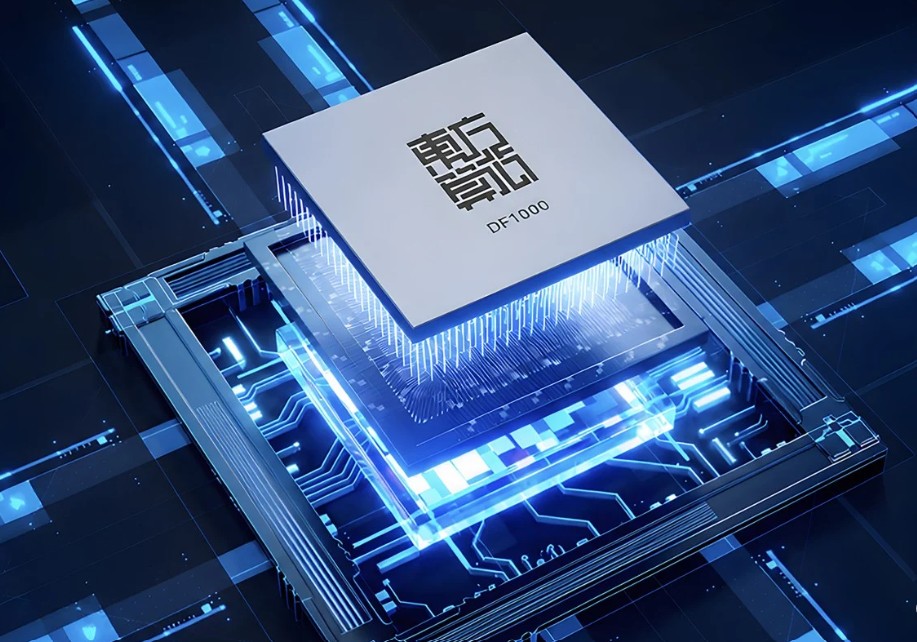
A Shanghai-based AI chip start-up is positioning itself as a future rival to Nvidia by pursuing a long-term technology roadmap that focuses on architectural innovation rather than relying solely on access to the world’s most advanced chip manufacturing. The company believes that redesigning chip architecture and integrating advanced memory technologies can narrow the performance gap created by U.S. export restrictions on cutting-edge semiconductor equipment, tells South China Morning Post.
The article explains that the company plans to introduce several generations of AI accelerators over the next few years. Its first chip has completed development and is expected to enter mass production by the end of 2026. Future products will progressively improve computing performance while adopting 3D memory stacking, an approach that places memory closer to processing units to reduce data transfer delays and increase bandwidth. Rather than competing directly through smaller manufacturing nodes, the company is emphasizing system-level design and packaging innovations that can extract more performance from existing fabrication technologies.
This strategy reflects the broader challenges facing China’s semiconductor industry. U.S. export controls have limited Chinese firms’ access to advanced lithography tools and high-end AI processors, forcing domestic companies to explore alternative engineering solutions. By combining chip redesign, software optimization, and new memory architectures, Chinese developers hope to reduce their dependence on foreign technology while supporting the growing demand for AI computing within the country.
The roadmap also illustrates the intensifying competition in AI hardware. Nvidia remains the industry leader, but Chinese firms are increasingly investing in specialized accelerators tailored for local AI workloads. Success will depend not only on raw computing power but also on software ecosystems, manufacturing scalability, and the ability to deliver reliable products at competitive costs. If the company executes its plans, it could become an important player in China’s expanding AI semiconductor market and contribute to the country’s broader effort to build a more self-sufficient chip industry despite continuing geopolitical and technological constraints.
