

Chinese automakers are accelerating electric vehicle (EV) charging technology, bringing charging times closer to the 5-minute refueling experience of gasoline-powered vehicles. Geely Auto, BYD, and battery manufacturer CATL have introduced systems capable of replenishing substantial battery capacity within minutes, potentially addressing one of the major barriers to EV adoption: range anxiety, tells Tech Xplore.
Geely recently unveiled technology that charges an EV battery from 10% to 70% in 4.5 minutes and reaches 97% in 8 minutes and 40 seconds. BYD’s latest Blade battery achieves 10–70% charging in 5 minutes and 97% in 9 minutes.
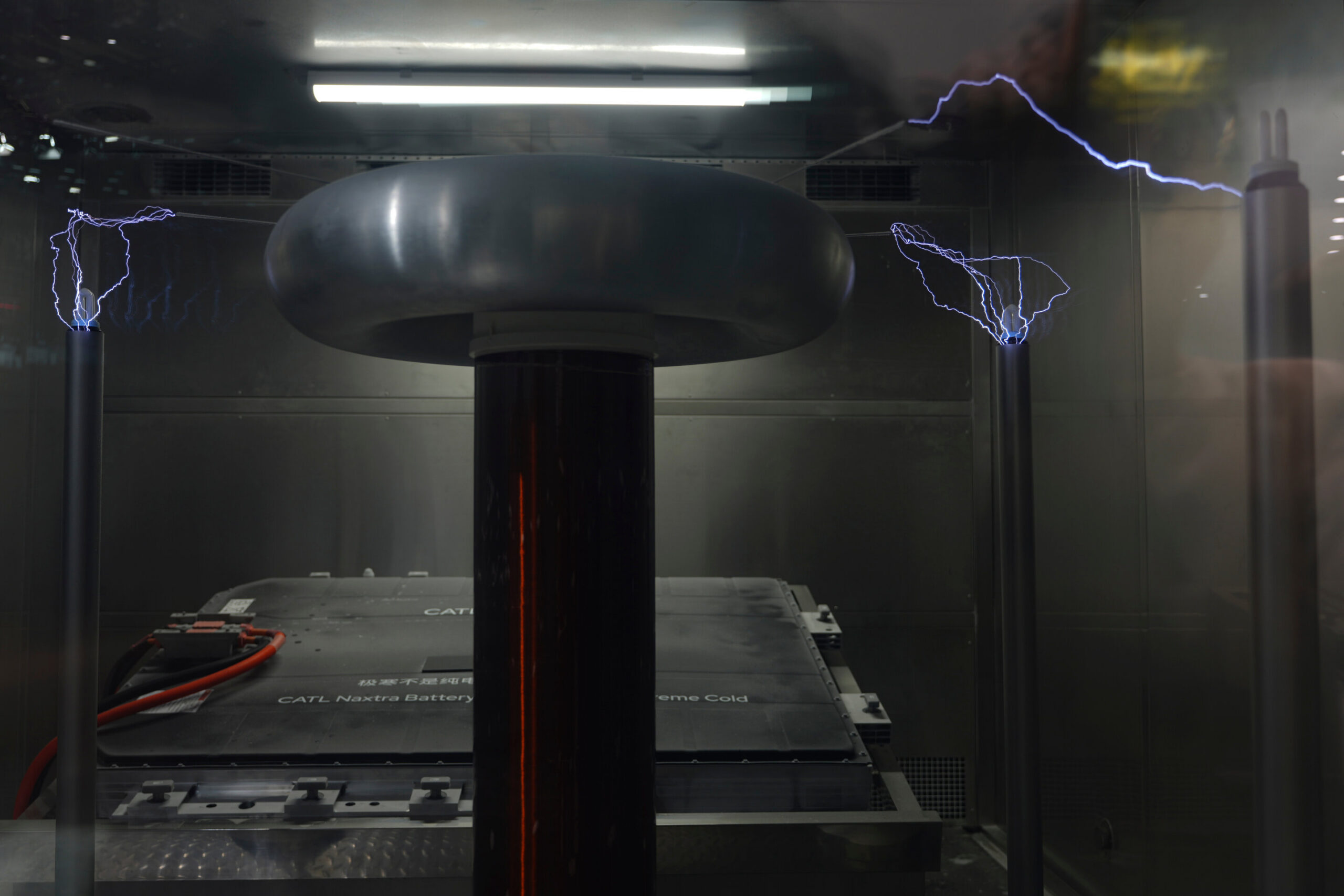
CATL has demonstrated even faster performance, charging from 10% to 80% in 3 minutes and 44 seconds and reaching 98% in 6 minutes and 27 seconds.
These developments highlight China’s growing expertise in battery engineering and high-power charging. However, achieving such speeds consistently requires batteries capable of accepting extremely high currents without overheating, accelerating degradation, or developing internal performance limitations.
Charging infrastructure presents another obstacle. Most public charging stations in China operate below one megawatt, while the latest ultrafast systems require higher power levels to achieve their advertised performance. Expanding charging networks and upgrading electrical grids will therefore be essential.
BYD plans to establish 20,000 ultrafast charging stations by the end of 2026, followed by 30,000 additional stations in 2027 and another 40,000 in 2028.
By comparison, typical US fast-charging sessions take approximately 20–40 minutes to replenish batteries from 10% to 80%. Some newer Hyundai, Kia, and Porsche models achieve approximately 18–20 minutes under optimal conditions.
Intense competition among more than 100 Chinese passenger car brands is driving technological differentiation as manufacturers expand internationally.
For engineers, these advances demonstrate that faster EV charging depends on coordinated improvements in battery chemistry, thermal management, power electronics, and electrical infrastructure. Commercial success will require translating laboratory and demonstration performance into reliable, repeatable charging across extensive public networks.
