

China’s electric vehicle industry is entering a new phase of competition in which custom-designed AI chips are becoming a strategic asset. Leading automakers are increasingly developing their own smart-driving processors to power advanced driver-assistance systems and autonomous driving functions, reducing dependence on external suppliers while seeking greater control over vehicle performance and costs, tells The South China Morning Post.
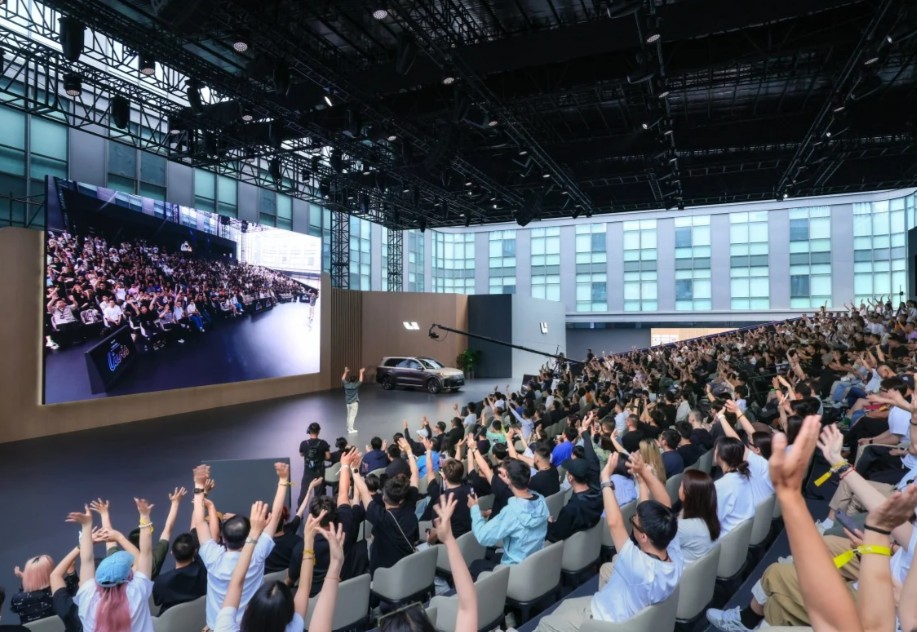
Li Auto recently entered this race by introducing the Mach M100, a 5-nanometer AI chip developed for its upcoming L9 Livis SUV. The chip delivers 1,280 trillion operations per second (TOPS) and achieves an 82% utilization rate, indicating a high level of computing efficiency. The announcement follows similar moves by competitors. BYD unveiled its 4-nanometer Xuanji A3 chip, which is already in mass production and supports Level 3 and Level 4 autonomous-driving capabilities. According to the company, three Xuanji A3 chips operating together can provide more than 2,100 TOPS of computing power.
Other Chinese EV makers are pursuing similar strategies. Nio has introduced its 5-nanometer NX9031 chip, while Xpeng is developing its proprietary Turing processor. These efforts reflect a broader industry trend toward vertical integration, enabling automakers to align hardware and software development more closely and reduce reliance on companies such as Nvidia and Horizon Robotics.
The shift is being driven by the rapid adoption of intelligent driving features across China’s auto market. Driver-assistance systems that were once limited to premium vehicles are now appearing in mainstream models. According to Horizon Robotics, 67.6% of passenger cars sold in 2025 were equipped with intelligent driver-assistance functions, while the penetration rate of mid- to high-level systems nearly doubled year over year.
As advanced driving features become increasingly common in lower-priced vehicles, automakers face pressure to reduce hardware costs. Analysts believe in-house chip development can lower per-vehicle expenses, improve profit margins, and enhance smart-driving capabilities. In China’s highly competitive EV market, proprietary chips are emerging as a key tool for delivering advanced autonomous functions at mass-market prices.
