

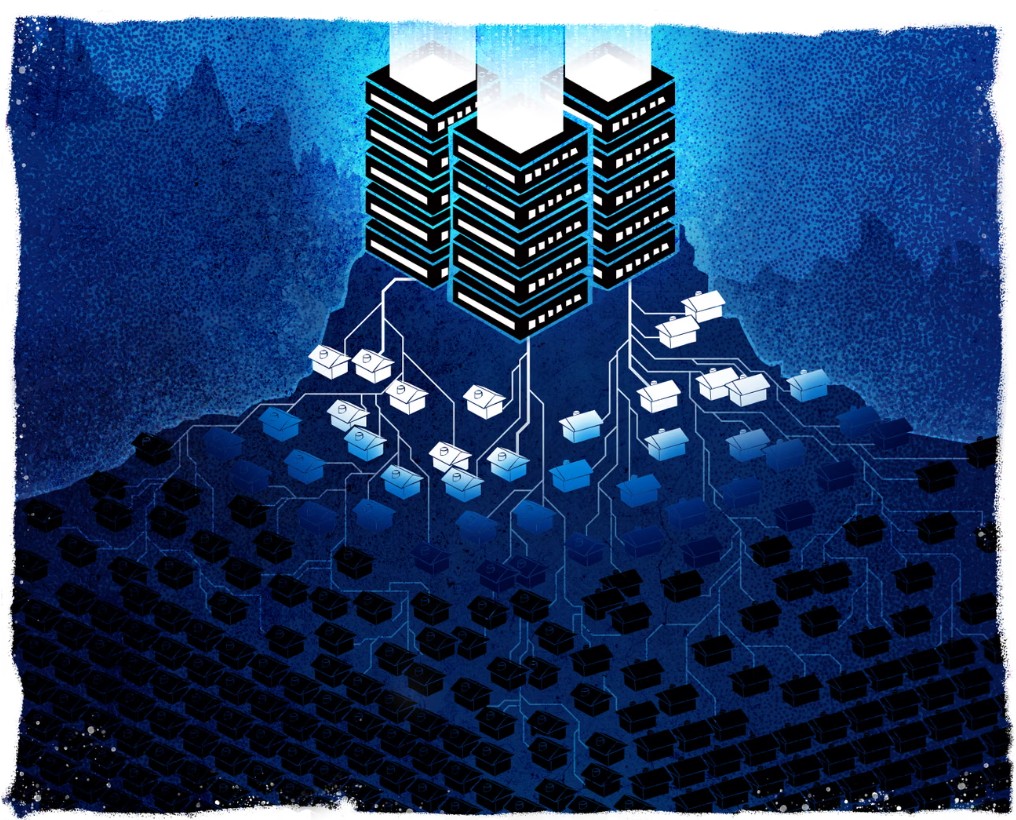
Electric data-storage hubs are set to dramatically increase their electricity demand in Australia, raising questions about whether the country can still hit its net-zero targets. At present, data centers draw roughly 2% of the national grid’s electricity, about 4 terawatt hours a year, tells The Guardian.
But projections from the Australian Energy Market Operator (AEMO) show that this demand could triple in the next five years, reaching 12 TWh (around 6% of grid demand) by 2030 and possibly 12% by 2050. In the most heavily concentrated states, such as New South Wales and Victoria, data centers alone could account for 11% and 8% of electricity consumption, respectively.
Much of this usage comes not only from powering servers, but from cooling them—a constant requirement because these facilities generate massive heat while running 24/7.
Critics warn this surge could derail Australia’s transition away from fossil fuels. Because renewable energy output fluctuates while data center demand is almost continuous, the additional load may end up being met by coal or natural-gas generation rather than clean sources.
Even though some tech firms promise renewable offsets or investments, analysts say the mismatch between renewable generation and round-the-clock demand means data-centers risk simply locking in more fossil-fuel consumption.
Australia’s push to become a digital and AI hub may be undermining the very climate goals that energy-intensive data infrastructure demands.
