

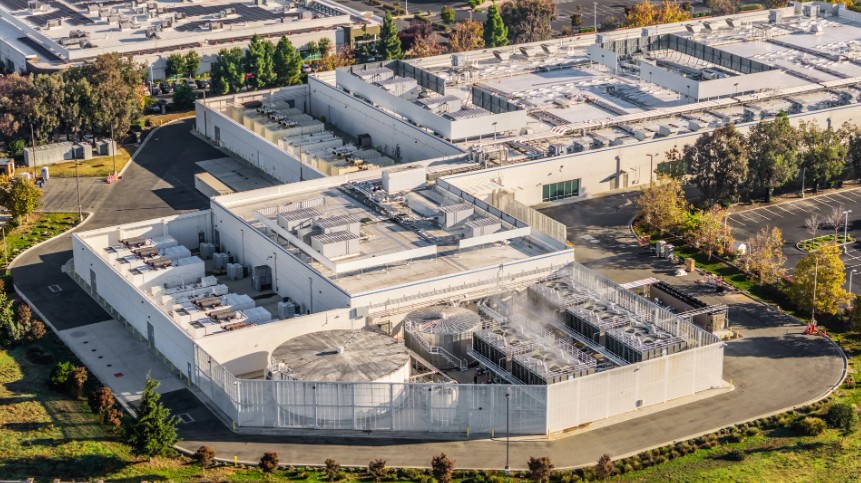
The rapid expansion of artificial intelligence is driving unprecedented growth in data center construction, but along with rising electricity consumption comes another challenge: water use. The Wired.com article (full article available to subscribers) examines how data center operators are responding to concerns that the facilities powering AI services may place significant strain on local water supplies, particularly in drought-prone regions.
Modern data centers generate enormous amounts of heat. To keep servers operating efficiently, many facilities rely on evaporative cooling systems that consume large volumes of water. As AI workloads increase, so does the demand for cooling, prompting questions about the long-term sustainability of existing practices. Communities located near large data centers have become increasingly concerned about competition for water resources, especially in areas already facing environmental stress.
In response, major technology companies and data center operators are investing in alternative cooling methods. One approach involves using closed-loop systems that recycle water rather than continually drawing fresh supplies. Others are exploring air-cooling technologies and advanced liquid-cooling systems designed specifically for high-performance AI hardware. These solutions can reduce water consumption, although they often involve higher costs, increased energy requirements, or engineering trade-offs.
The article notes that operators are also becoming more transparent about water usage. Some companies now publish water-efficiency metrics and sustainability reports, while others are developing strategies tailored to regional conditions. In locations where freshwater is scarce, facilities may use treated wastewater or reclaimed water instead of drawing from municipal supplies.
At the same time, researchers and environmental advocates argue that greater scrutiny is needed as AI infrastructure expands. They emphasize that water use should be considered alongside energy consumption when evaluating the environmental impact of data centers. As governments and communities seek greater accountability, operators are under pressure to balance technological growth with responsible resource management.
The article concludes that no single solution will eliminate the issue. Instead, reducing water consumption will require a combination of improved cooling technologies, smarter facility design, location-specific planning, and greater transparency. As AI continues to drive demand for computing power, managing water resources is becoming a central engineering and sustainability challenge for the data center industry.
