

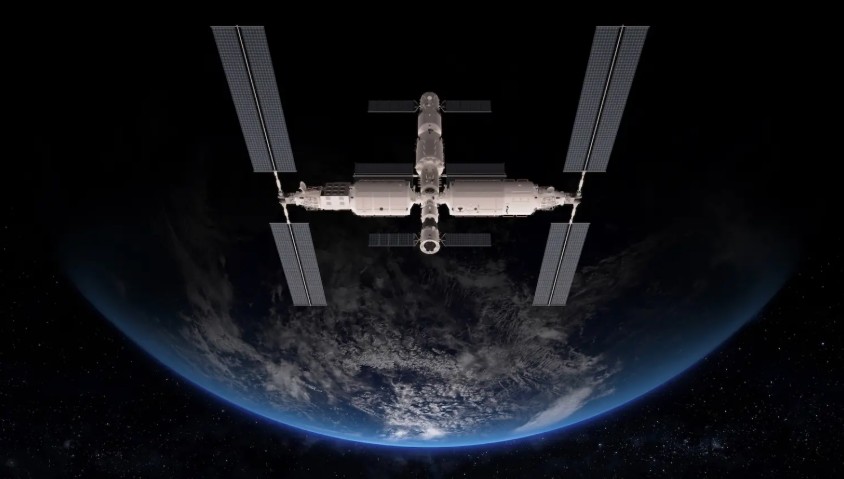
This article on Grist explores a growing idea: relocating data centers into space to reduce their environmental harm here on Earth. With demand for computing, especially for AI, exploding, data centers are putting huge pressure on electric grids, fossil fuel use, water use, and pollution.
What’s driving this idea: Data centers already use more energy than many small countries. Their heavy electricity consumption (some powered largely by fossil fuels), cooling needs, water use, noise, and infrastructure demands are raising serious environmental and social concerns.
Who is thinking about space data centers: Big names in tech, such as Sam Altman (OpenAI), Jeff Bezos, and Eric Schmidt, are discussing the possibility. Among them, Altman has floated building solar-powered data centers in orbit or even a Dyson-sphere-type setup. Startups such as Starcloud, Axiom, and Lonestar Data Systems are raising money or launching projects to test miniature or satellite-based data centers.
The potential benefits: Continuous solar power in space could provide cleaner electricity. Removing large, power-hungry facilities from land could reduce strain on local grids, minimize water use for cooling, and reduce noise and thermal pollution.
Challenges and realities: It’s expensive to launch mass into orbit. Radiation damage, hardware obsolescence, repair and maintenance difficulties in space are serious issues. Latency (lag in data transmission), cost yet to be viable at scale, and technical reliability remain big unknowns.
Regulation, equity issues: On Earth, data centers are increasingly challenged by cities and communities concerned about their local environmental and social impacts. In space, regulation is less developed, but that may not stay true forever.
Moving data centers to space is an audacious idea that promises environmental relief, but it’s nowhere close to being a plug-and-play fix. Technical, financial, and regulatory obstacles are large. But even discussing it signals urgency: current paths of data infrastructure growth might not be sustainable.
