

A report from Tech Xplore examines a new approach to construction that turns demolition waste into reusable building materials for future brick walls. The research reflects a growing effort in architecture and engineering to reduce the environmental burden of conventional construction methods, particularly the large volumes of waste generated during demolition.
Traditional brick construction relies heavily on mortar, which permanently binds masonry together and makes later separation difficult. As a result, bricks from demolished structures are often crushed into low-grade filler material or discarded entirely. Researchers involved in the project are instead developing systems that allow bricks to be reused more efficiently after a building reaches the end of its life cycle.
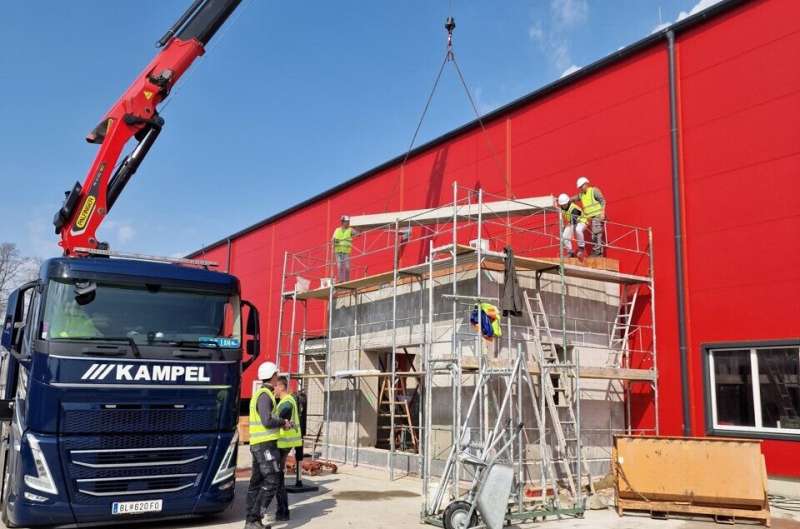
The article describes experimental wall designs that use reusable assembly techniques and alternative binding methods rather than permanent cement-based mortars. These systems are intended to simplify disassembly so that bricks can be recovered intact and reintroduced into new construction projects. The goal is to support a more circular building economy in which materials maintain value across multiple life cycles instead of becoming waste after a single use.
The research also addresses the broader environmental impact of the construction sector, which consumes enormous quantities of raw materials and contributes significantly to global carbon emissions. Reusing existing bricks could reduce demand for energy-intensive manufacturing processes while lowering landfill waste and preserving valuable resources.
Beyond sustainability, the work introduces engineering challenges involving structural stability, durability, moisture control, and compliance with modern building codes. Researchers must ensure that reusable masonry systems can match the safety and performance standards expected from traditional walls while remaining economically practical for builders and developers.
The article presents the project as part of a wider transformation in construction thinking, where buildings are increasingly viewed not as permanent endpoints but as temporary assemblies of recoverable materials. In that vision, demolition becomes less about destruction and more about preparing components for future reuse within an evolving built environment.
