

Artificial intelligence is becoming central to aerospace, defense, and complex systems engineering, but Ansys argues that AI alone cannot deliver mission readiness. Intelligent systems need realistic environments in which they can develop, train, validate, and operate before organizations can trust them in critical situations.
Modern cyberphysical systems are increasingly connected, autonomous, software-defined, and data-driven. At the same time, missions span land, sea, air, and space while facing changing operating conditions and evolving threats. Traditional engineering methods, often built around siloed analyses, manual processes, and late-stage validation, struggle with this complexity.
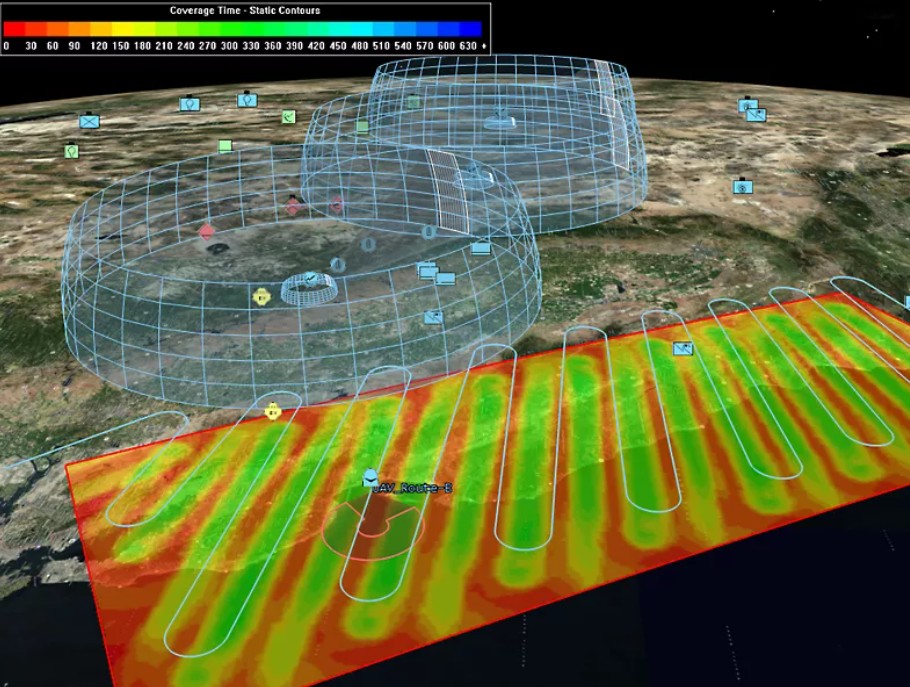
Digital mission engineering, or DME, provides the virtual environment needed to address this gap. It creates realistic representations of mission conditions where teams can explore alternatives, conduct what-if analyses, generate operational scenarios, produce synthetic training data, and evaluate mission effectiveness before deployment.
This environment also gives AI the context required to interpret relationships and evaluate possible outcomes. Rather than treating AI as an isolated tool, organizations can apply it throughout the mission lifecycle.
During development, AI can accelerate scenario generation and automate analyses. During training, realistic environments provide representative operational data. Validation can expose systems to mission conditions and failure scenarios before deployment. In operations, AI can help planners, analysts, and operators evaluate alternatives and make decisions. Mission context can continue supporting improvement after deployment.
Natural-language interfaces, intelligent assistants, and automated workflows could also make sophisticated mission engineering insights accessible to more users without replacing the underlying engineering models.
Ansys argues that access to AI algorithms will become less important as a competitive differentiator. Greater value will come from an organization’s ability to build and maintain mission context, generate useful training data, simulate realistic operations, and continuously validate system performance.
DME therefore serves as more than a simulation framework. It provides the world model in which AI-enabled systems can learn, demonstrate reliability, and support mission decisions with greater confidence.
