

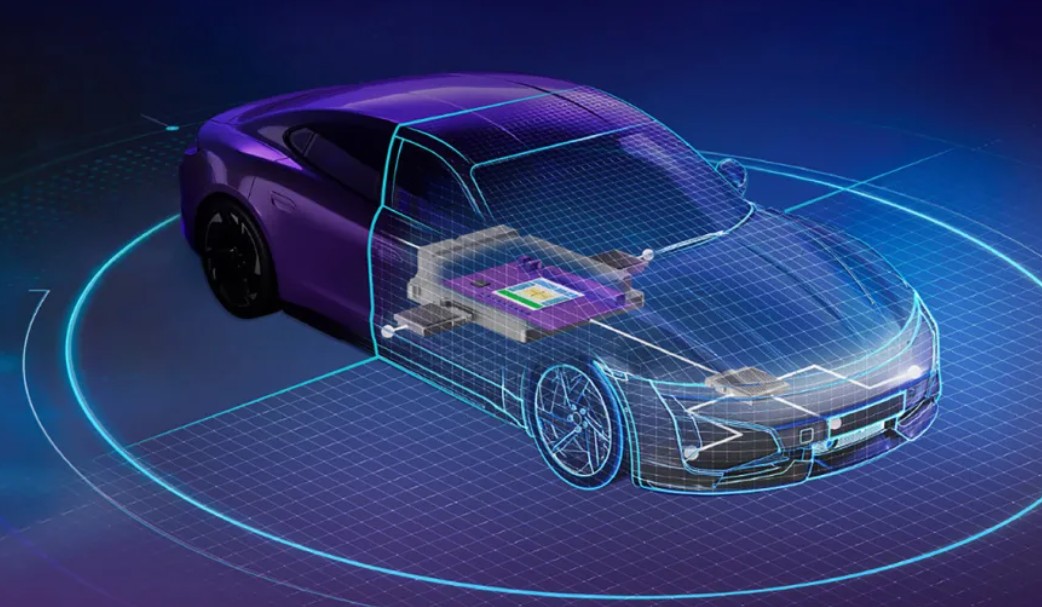
Physical AI systems are moving beyond software into machines that sense, decide, and act in the real world. From autonomous vehicles and industrial robots to aerospace platforms and medical devices, these systems depend on complex combinations of embedded electronics, AI software, sensors, and actuators. According to Tech Briefs, validating these tightly integrated systems using traditional hardware-first methods is becoming increasingly difficult as software complexity grows and product development cycles shrink. As a result, engineering teams are turning to electronics digital twins to identify problems much earlier in the design process.
An electronics digital twin is a high-fidelity, executable virtual representation of an electronic system that accurately models hardware behavior, software stacks, and interactions across the entire system. Unlike conventional simulations that focus on individual components, electronics digital twins allow engineers to evaluate complete systems before physical prototypes are available. This enables software development, integration, and validation to proceed in parallel with hardware design, reducing costly delays and late-stage redesigns.
The need for this approach is especially evident in Physical AI applications, where reliable operation depends on deterministic timing, power management, thermal performance, sensor fusion, and real-time control. Traditional methods such as hardware-in-the-loop testing and physical prototypes often uncover integration issues only after significant engineering effort has been invested. Electronics digital twins expand test coverage by allowing engineers to explore thousands of operating conditions, hardware configurations, and edge cases within a cloud-based virtual environment.
The automotive industry illustrates the technology’s value. Modern vehicles require continuous software updates while maintaining compatibility with evolving electronic architectures. Electronics digital twins provide reusable virtual environments where engineers can validate software changes before deployment, ensuring that AI behavior remains predictable across hardware variants and operating conditions. This reduces development risk while supporting safer deployment of advanced driver assistance systems and other autonomous functions.
The article concludes that electronics digital twins are becoming a foundational technology for Physical AI development. By integrating software, electronics, and system-level validation into a shared virtual environment, they help engineering teams shorten development cycles, improve collaboration, and identify failures long before hardware reaches the test bench. As Physical AI systems become more capable and widespread, virtual validation will play an increasingly important role in delivering reliable, safe, and scalable intelligent machines.
