

The Hardware FYI article explores a largely overlooked form of engineering literature: the application note. Produced by component manufacturers, these technical guides explain how to use specific devices in real-world designs. While their primary purpose is instructional, the article argues that the best application notes have become cultural artifacts that preserve engineering knowledge, judgment, and craftsmanship. At their finest, they resemble conversations between experienced engineers and future generations, blending technical rigor with personality and practical insight.
A central example is the work of renowned analog engineer Jim Williams, whose application note Switching Regulators for Poets: A Gentle Guide for the Trepidatious transformed a notoriously intimidating topic into an approachable learning experience. Rather than focusing solely on product specifications, Williams emphasized understanding, intuition, and real-world design challenges, illustrating how engineering communication can educate as well as instruct.
The article also examines the evolution of engineering tools through the lens of SPICE simulation software. It highlights the reflections of analog engineer Bob Pease, who cautioned against relying too heavily on simulations without developing a deep understanding of the underlying physical behavior. While simulation tools dramatically improve productivity and reduce development risk, the article stresses that engineers must avoid confusing software output with genuine comprehension. The lesson extends beyond electronics to modern tools such as CAD, finite element analysis, automated design systems, and AI assistants.
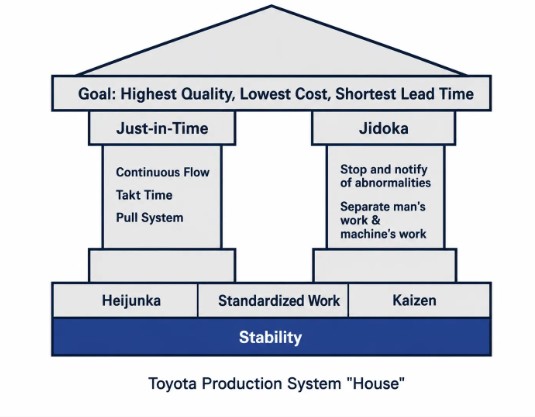
Another theme is the enduring relevance of the Toyota Motor Corporation Production System. The article references an early handbook that introduced many of the concepts later associated with lean manufacturing. Its core philosophy was simple: design processes so that problems become immediately visible, then address their root causes rather than masking them with additional inventory, labor, or complexity.
Ultimately, the article argues that engineering progress depends not only on better tools but also on preserving the accumulated wisdom that teaches engineers how to think. Application notes, practical experimentation, and lean principles serve as reminders that technical expertise is built through understanding, not merely through access to increasingly sophisticated technology.
