

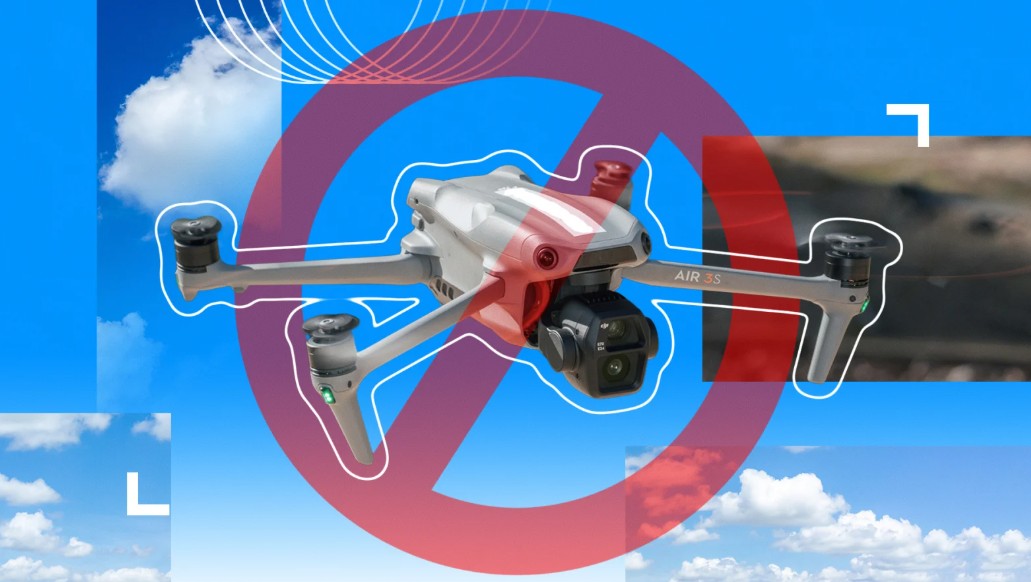
The Federal Communications Commission’s expanding restrictions on foreign-made technology could make drones more expensive and less accessible to American consumers and professionals, argues PCMag writer and licensed drone pilot Jim Fisher. He contends that measures intended partly to strengthen domestic manufacturing may hurt users before competitive U.S.-made alternatives are available.
The FCC added foreign drones and DJI camera products to its Covered List in December. It is now considering rescinding authorization for certain previously approved drones it classifies as military-grade equipment. The proposed definition includes foreign drones with LiDAR obstacle sensors, thermal cameras, pesticide-spraying capabilities, docking systems, and models weighing more than 55 pounds.
Fisher argues that these technologies have important civilian uses. LiDAR helps drones avoid obstacles, while thermal cameras assist first responders during search-and-rescue operations and help inspectors identify heat leaks. Spraying drones support agriculture, and docking systems and heavier aircraft are important for delivery operations.
The restrictions could be particularly difficult for users seeking affordable alternatives. Hylio CEO Arthur Erickson told Fisher that the United States could be one to three years away from producing a camera drone comparable to DJI’s Mini 5 Pro. Such a U.S.-made model might retail for $4,000 to $5,000, more than five times the DJI model’s price.
Fisher acknowledges that drones can be used as weapons, but questions whether their country of manufacture determines the security risk. He also notes that the FCC has expanded its Covered List beyond drones to include foreign-made routers, robot vacuums, robotic lawn mowers, and portable power stations.
The larger concern is regulatory uncertainty. Previously authorized equipment may also face restrictions. Although existing owners can continue using covered devices, replacing them later could become difficult. Fisher argues that the policy could ultimately reduce consumer choice, increase costs, and disrupt professionals who depend on affordable foreign technology.
