

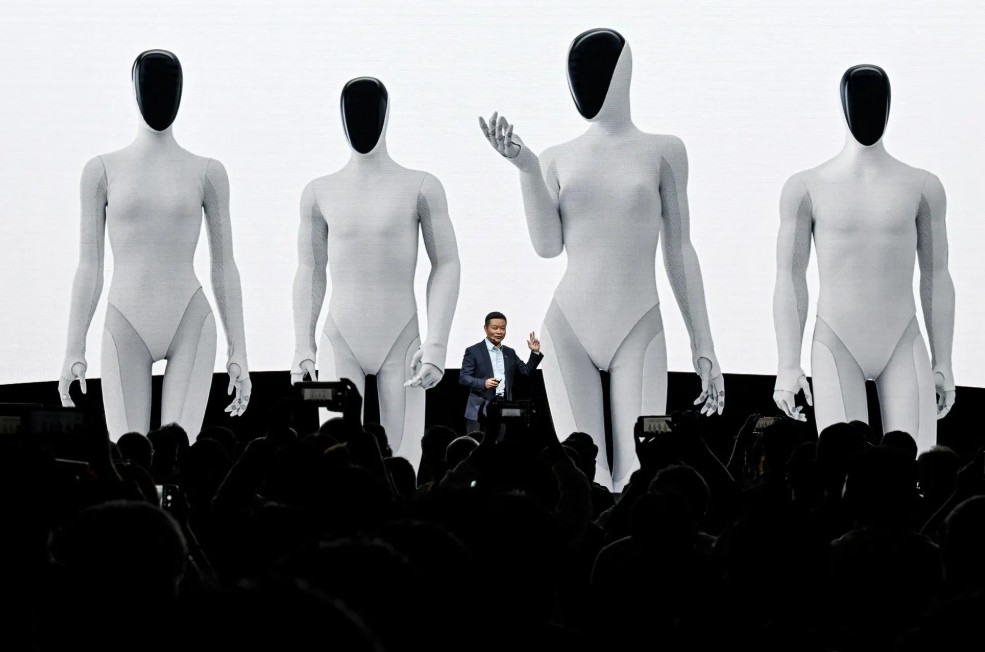
A new Federal Communications Commission restriction on foreign-made advanced robots could protect U.S. robotics companies while creating serious challenges for costs, manufacturing, and supply chains. The FCC added advanced robotic devices to its Covered List on July 28, affecting products ranging from humanoid and quadruped robots to robotic vacuums and lawnmowers, tells Forbes.com.
Forbes asked robotics and technology experts to assess the policy. A central concern is cost. OpenMind CEO Jan Liphardt estimates that producing a humanoid robot without Chinese suppliers could cost about 2.85 times more. China benefits not only from manufacturing capacity but also from dense supplier networks providing rare-earth materials, magnets, gears, actuators, bearings, sensors, and circuit boards.
Some U.S. robotics executives support the restriction on security grounds. Ghost Robotics CEO Gavin Kenneally argues that connected foreign robots can introduce cybersecurity risks. FORT Robotics CEO Samuel Reeves shares those concerns but believes restrictions should target China rather than also affecting companies from U.S. allies. Persona AI CEO Nic Radford emphasizes that enterprise customers already consider security, maintainability, component availability, and long-term support when selecting robots.
The economic consequences could be substantial. IDC projects U.S. humanoid robot volumes could fall 41% below its baseline in 2027 and 58% by 2030. Across several robotics categories, foregone U.S. revenue could exceed $6 billion through 2030. American manufacturers remain dependent on Chinese motors, batteries, actuators, and rare-earth materials.
Cobot CEO Brad Porter argues that restrictions alone will not establish U.S. leadership. Government investment, domestic manufacturing, and large-scale adoption are also necessary. The broader challenge is therefore not simply replacing foreign robots. The United States must build a competitive supply network and create enough demand for domestic robotics manufacturers to achieve scale.
