

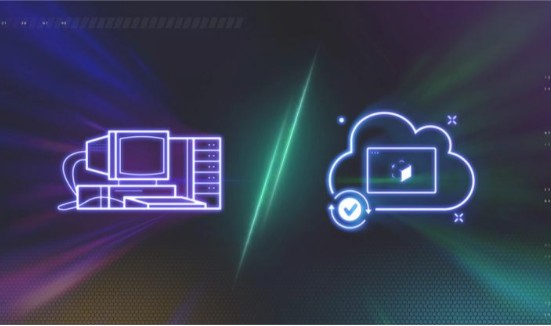
Traditional CAD systems were built around files stored on local computers and managed through separate product data management (PDM) systems. While this approach has supported engineering for decades, it has also created familiar challenges such as version confusion, file corruption, duplicate copies, and complex collaboration workflows. In its analysis of file-based versus cloud-native CAD, Onshape argues that many of these issues stem from the underlying architecture rather than from CAD itself.
The article explains that cloud-native CAD replaces individual files with centralized documents stored in a cloud database. Instead of managing separate part, assembly, and drawing files, engineers work within a unified environment where all design information resides in a single location. This architecture eliminates the need to manually save files, transfer data, or synchronize versions between team members. Every design change is automatically recorded, creating a complete history that can be reviewed or restored at any point.
A major advantage highlighted by Onshape is real-time collaboration. Multiple engineers can work simultaneously on the same model, with updates appearing instantly for all participants. This removes traditional check-in and check-out procedures that often slow development in file-based systems. The platform also incorporates software-style version control, allowing teams to create branches, explore alternative concepts, and merge design changes without generating conflicting copies of files.
The cloud-native approach also reduces IT complexity. Because the software runs through a web browser, organizations do not need dedicated CAD servers, local PDM infrastructure, or extensive software installation and maintenance efforts. Updates are delivered automatically, ensuring that all users operate on the same version of the software.
According to Onshape, these capabilities allow engineering teams to focus more on design and innovation rather than file management. The broader argument is that cloud-native CAD is not merely a different deployment model but a fundamentally different architecture that reshapes collaboration, data management, and product development workflows for distributed engineering organizations.
