

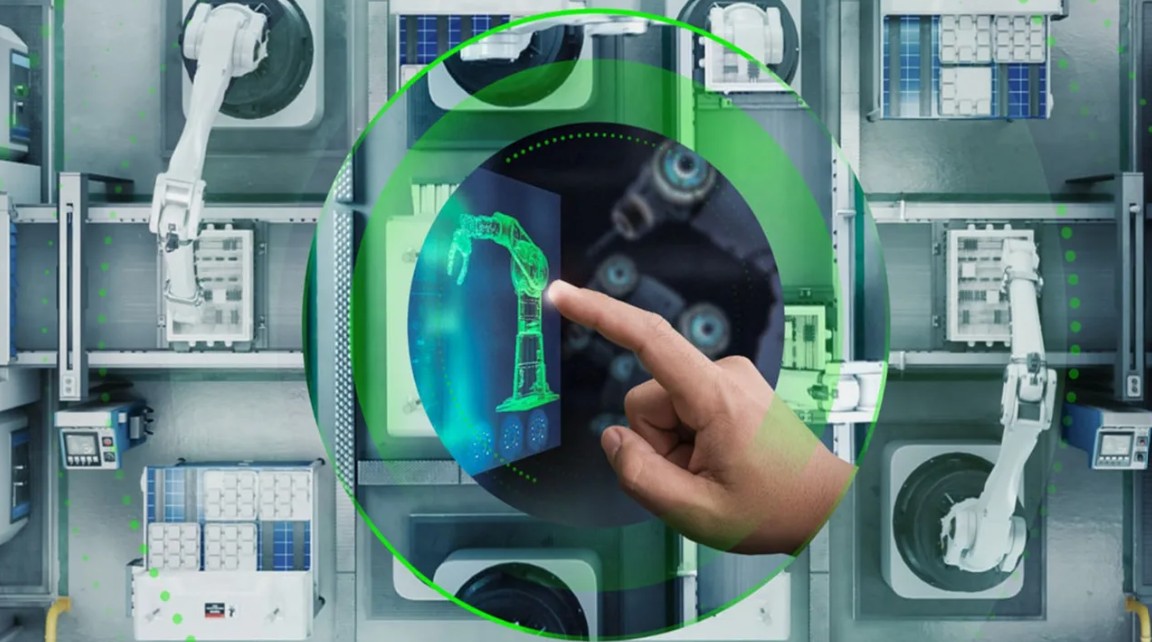
U.S. manufacturing enters 2027 with renewed momentum following improvements in production and employment stability in 2026. However, economic uncertainty, rising costs, geopolitical tensions, and workforce constraints continue to challenge industrial growth. A Design News article examines five priorities identified in Deloitte’s 2027 Manufacturing Industry Outlook.
Growth markets: Demand for artificial intelligence (AI) infrastructure and defense equipment presents significant opportunities. Outstanding orders exceeding $200 billion in these sectors indicate considerable demand, encouraging manufacturers to align production capacity and investment plans with emerging market requirements.
Smart manufacturing: Generative, agentic, and physical AI are progressing from experimental deployments toward broader industrial applications. Manufacturers must improve data quality, modernize digital infrastructure, and reconsider operational practices to translate technological investments into measurable productivity gains.
Supply chain resilience: Unpredictable trade policies and geopolitical developments are increasing the importance of flexible sourcing and production strategies. Digital technologies could help manufacturers anticipate disruptions, improve supplier visibility, and respond to changing market conditions.
Cybersecurity: Expanding industrial connectivity and autonomous AI systems introduce additional security vulnerabilities. Manufacturers must strengthen digital defenses, establish appropriate governance practices, and consider AI-powered cybersecurity solutions to protect increasingly interconnected operations.
Workforce development: Slower growth in the working-age population could intensify skilled labor shortages. Manufacturers must reassess recruitment strategies, invest in employee training, and develop career pathways that encourage collaboration between humans and intelligent machines.
Persistent inflation and potentially elevated interest rates could also constrain capital expenditure and consumer demand, making strategic investment decisions increasingly important.
For engineering professionals, the outlook highlights the growing interconnectedness of technological innovation, operational efficiency, cybersecurity, and workforce capabilities. Successful manufacturing transformation will require more than introducing advanced automation or AI tools.
Companies that coordinate technology investments with employee development, risk management, and evolving market opportunities may be better positioned to navigate economic uncertainty, increase productivity, and maintain long-term industrial competitiveness.
