

Generative AI has captured the world’s attention with its ability to write, code, create images, and answer complex questions. Yet, according to The Atlantic, the technology’s greatest weakness is not its intelligence but its extraordinary inefficiency. The article argues that, by engineering and economic standards, today’s generative AI systems consume far more computing power, energy, and hardware than any previous mainstream technology, raising questions about their long-term sustainability.
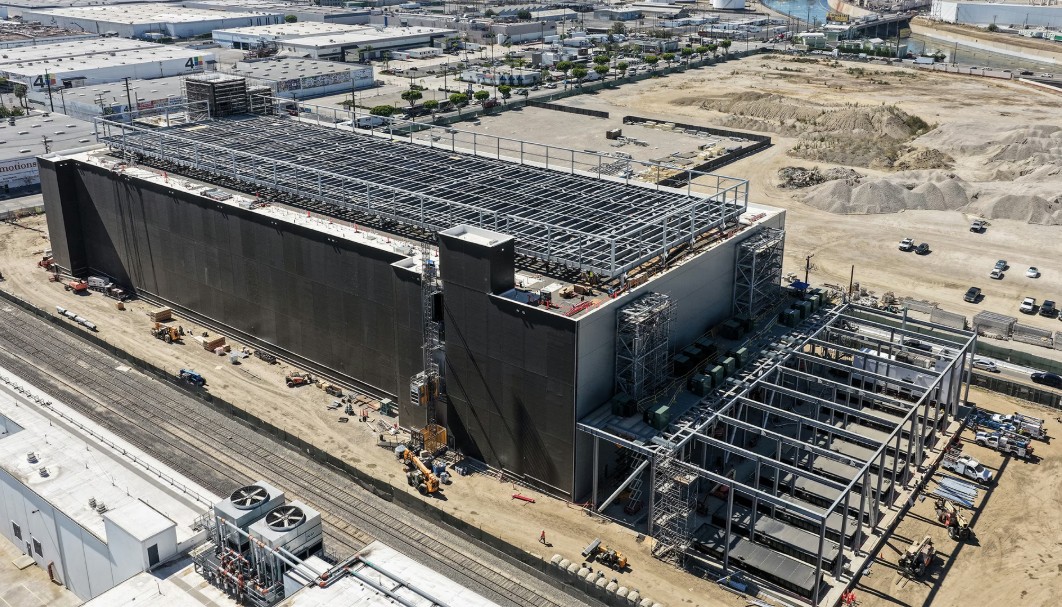
Unlike traditional software, which can serve millions of additional users with relatively modest increases in infrastructure, every interaction with a large language model requires significant computational resources. AI companies continue building larger data centers, purchasing vast numbers of specialized chips, and consuming increasing amounts of electricity simply to keep pace with demand. The result is an industry where operating costs remain exceptionally high despite rapid technological progress.
The article explains that the AI industry’s current strategy has largely been to compensate for technical limitations by adding more hardware. Rather than developing fundamentally more efficient algorithms, companies have relied on larger models, more graphics processors, and massive investments in computing infrastructure. This approach has fueled shortages of advanced AI chips, increased pressure on electricity grids, and driven unprecedented spending on data centers around the world.
The author compares today’s AI boom to earlier periods in computing history when inefficient technologies were eventually replaced by more elegant engineering solutions. Existing large language models work remarkably well, but they achieve their performance through brute-force computation rather than computational efficiency. As a result, the industry faces growing financial and environmental costs that cannot be solved simply by building larger facilities.
Despite this criticism, the article does not dismiss generative AI’s potential. Instead, it argues that the technology has reached a stage where engineering innovation matters more than scientific breakthroughs. The next generation of AI will need architectures that deliver similar or better performance using dramatically fewer resources. Until that happens, the article suggests that generative AI will remain an impressive but extraordinarily expensive technology whose engineering challenges rival its remarkable capabilities.
