

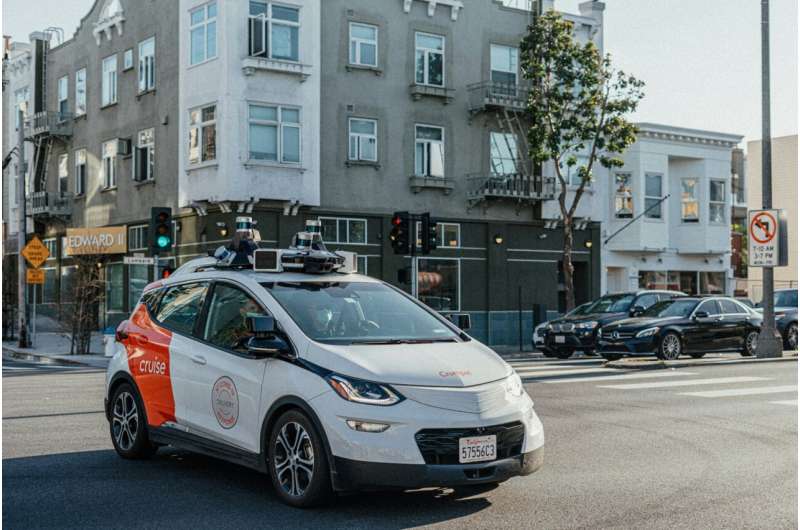
The United Nations has adopted the world’s first global regulations for fully autonomous vehicles, creating a unified international safety framework that could accelerate the deployment of driverless cars across multiple markets, tells Tech Xplore. Approved by the World Forum for Harmonization of Vehicle Regulations under the United Nations Economic Commission for Europe, the new rules establish common technical and safety requirements for vehicles equipped with Automated Driving Systems, or ADS. The agreement addresses one of the industry’s biggest challenges: differing national regulations that have complicated the development and commercialization of autonomous vehicles.
The regulations apply specifically to fully autonomous driving systems rather than advanced driver assistance features. They define performance standards covering system safety, validation, operational monitoring, data recording, and governance throughout a vehicle’s life cycle. Manufacturers will be required to demonstrate that autonomous systems operate safely under defined conditions and continue to meet regulatory requirements through ongoing monitoring and oversight. The framework is intended to strengthen confidence among governments, automakers, regulators, and the public by ensuring that autonomous vehicles meet consistent safety expectations regardless of where they are deployed.
A key advantage of the agreement is regulatory harmonization. Vehicles certified under the framework can be accepted across participating countries without undergoing separate national approval processes, reducing development costs and simplifying market entry. While the United States, Canada, and China are not part of the agreement that provides mutual recognition, they voted to incorporate the same technical requirements into a parallel 1998 United Nations agreement, broadening international alignment around autonomous vehicle safety standards.
The timing reflects rapid growth in the autonomous mobility sector, particularly robotaxi services. According to the International Energy Agency, robotaxi fleets in China and the United States more than doubled in 2025 to approximately 8,000 vehicles operating across more than two dozen cities. The agency projects that by 2035 between 700,000 and 3 million robotaxis could be operating in 40–80 major cities worldwide.
The regulations are expected to enter into force in January 2027, providing automakers with a common engineering and certification framework that supports safer deployment, international interoperability, and faster commercialization of fully autonomous vehicles.
