

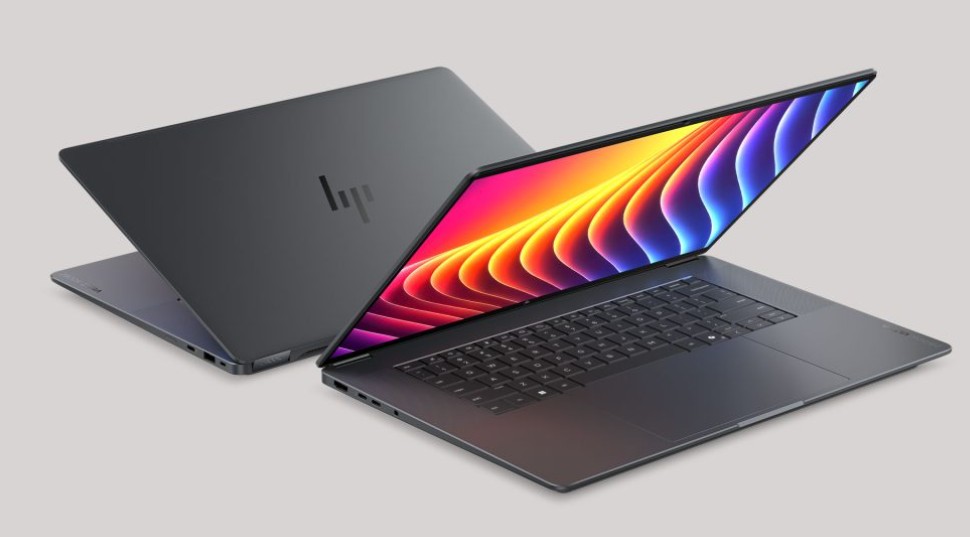
HP is positioning its new ZBook Ultra G3a as more than a conventional mobile workstation. Unveiled at Autodesk University, the 16-inch system is designed to run substantial AI models and autonomous agents locally while supporting familiar AEC applications such as Autodesk Revit, says AEC Magazine.
At the center of the workstation is AMD’s Ryzen AI Max Pro processor, which integrates the CPU, GPU, and NPU and gives them access to a shared pool of high-bandwidth memory. The system can be configured with up to 192 GB of unified memory, with as much as 160 GB available to the GPU. HP says this capacity allows models with up to 300 billion parameters to run locally.
HP is partnering with Perplexity to connect this computing capacity with practical workflows. Perplexity Computer can run downloaded models such as Qwen or Nemotron entirely on the workstation. Agents can then work with Revit models and project documents without automatically sending sensitive information to the cloud.
For AEC professionals, the potential applications include extracting information from BIM models, performing quality assurance, generating schedules, drafting RFIs, reviewing designs, checking code compliance, and researching material specifications. Perplexity Skills are intended to turn these processes into repeatable agent-driven workflows. Users can still send demanding tasks to cloud-based frontier models when necessary.
The workstation weighs under 2 kilograms and measures 17.9 mm thick. A redesigned thermal system supports a 110-watt-class platform, while serviceable components include the battery, fans, thermal fins, and keyboard.
There are trade-offs. The integrated Radeon GPU prioritizes memory capacity and local AI inference rather than maximum real-time rendering performance. The unified memory is also soldered, so buyers cannot upgrade it later. AEC firms will therefore need to balance current requirements against potentially larger local AI workloads in the future.
The ZBook Ultra G3a ultimately points toward a workstation model where CAD and BIM applications share the desktop with locally running AI agents, giving firms greater control over project data and reducing reliance on cloud-based AI processing.
