

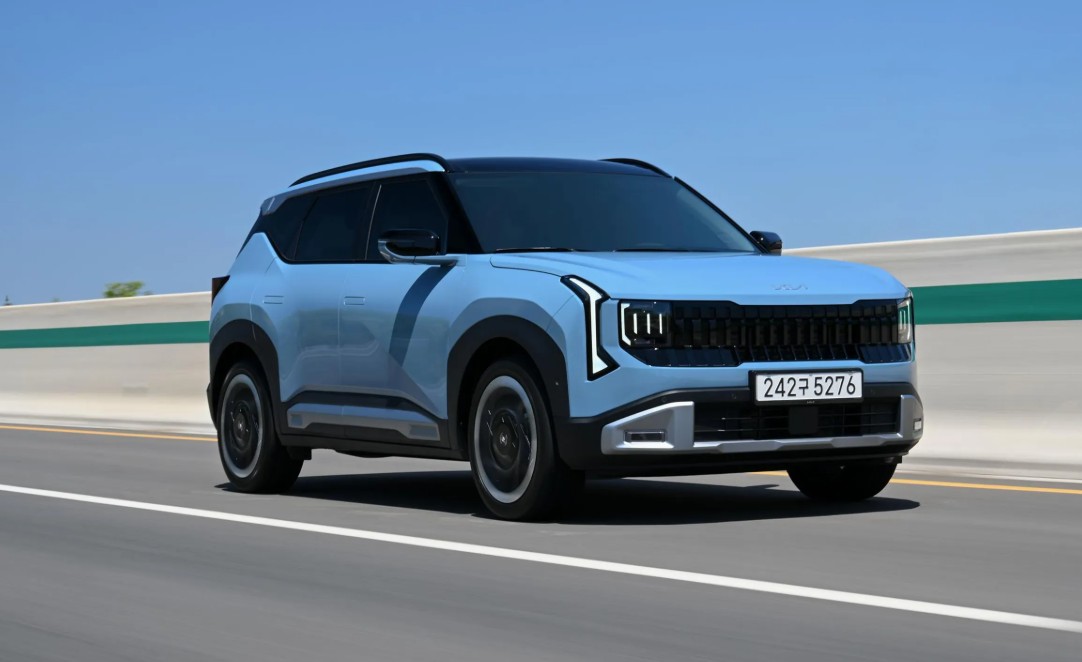
Hybrid vehicles are experiencing renewed demand as automakers and consumers reconsider the transition to fully electric transportation. IEEE Spectrum examines this shift through the 2027 Kia Seltos Hybrid and the emerging extended-range electric vehicle, or EREV.
Kia’s strategy reflects years of investment across internal-combustion, hybrid, and electric powertrains. Its hybrid sales rose 152% in the second quarter of 2026, while Hyundai recorded a 71% increase. Toyota has also benefited from maintaining its hybrid strategy, with hybrids now representing nearly half of its U.S. sales.
The Seltos Hybrid demonstrates the engineering behind this resurgence. Its powertrain combines a 1.6-liter gasoline engine operating on the Atkinson cycle with a 32-kilowatt electric motor. The standard version produces 155 horsepower, while an optional electric all-wheel-drive system increases output to 179 horsepower. The vehicle also uses regenerative braking with four adjustable levels and an adaptive mode that considers traffic, road gradients, navigation data, and intersections.
Kia expects fuel economy near 50 mpg in combined driving. The Seltos also incorporates an AI voice assistant, augmented-reality navigation, driver-assistance technologies, over-the-air updates, and vehicle-to-load capability.
Meanwhile, EREVs could become the next important stage of hybrid development. Unlike conventional parallel hybrids, EREVs primarily use their gasoline engines as generators. Electric motors propel the wheels, while larger batteries provide substantial electric-only range. Running the combustion engine at relatively steady speeds can also improve efficiency.
Stellantis’ upcoming Ramcharger illustrates the concept. Its 92-kWh battery is expected to provide 145 miles of electric range, while a gasoline generator extends total range to 690 miles. Scout Motors plans a similar approach for its forthcoming vehicles.
These developments suggest electrification may not follow a single path. Hybrids and EREVs could provide an important bridge for consumers concerned about EV prices, charging infrastructure, and driving range.
