

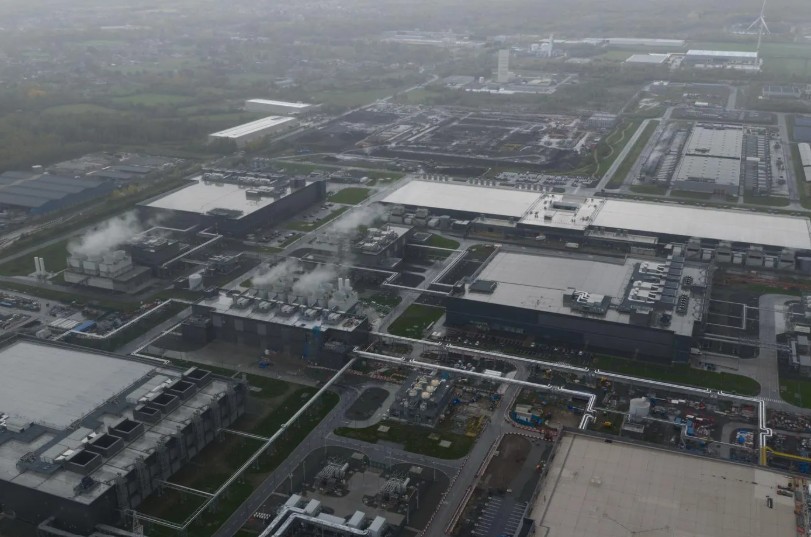
Hyperscalers have become the backbone of the AI era, investing hundreds of billions of dollars to build the computing infrastructure that powers cloud services, artificial intelligence, and much of the modern internet. In 2026, the largest U.S. hyperscalers are expected to spend more than $700 billion on AI-related infrastructure, nearly doubling their investment from the previous year. Their expanding networks of data centers support everything from video streaming and online payments to AI chatbots and enterprise applications, tells Forbes.com.
A hyperscaler is defined not only by the size of its computing infrastructure but also by the way it operates. These companies manage millions of servers across global data center networks using standardized hardware, extensive automation, and large-scale capacity expansion. While cloud computing is a service offered to customers, hyperscale refers to the operational model behind that service. Some companies rent computing resources through public cloud platforms, while others primarily use their infrastructure to support their own digital products.
The industry’s leading players include Amazon, Microsoft, Google, Meta, Oracle, Apple, Alibaba, and Huawei. Amazon Web Services remains the largest cloud provider, followed by Microsoft Azure and Google Cloud, which together account for nearly two-thirds of the global cloud market. Companies such as Meta and Apple operate hyperscale infrastructure primarily for their own services, while Alibaba and Huawei dominate China’s cloud market with growing investments in AI capabilities and proprietary hardware.
The article explains that hyperscalers are driving innovation by making advanced computing accessible to organizations of all sizes. Businesses can rent powerful computing resources instead of investing in their own infrastructure, allowing startups and established companies alike to deploy AI applications more quickly. At the same time, hyperscalers continue developing custom processors and AI accelerators to reduce dependence on third-party chip suppliers and improve performance.
Despite these benefits, hyperscale expansion presents significant challenges. Large data center campuses require enormous amounts of electricity, water, and land, placing increasing pressure on local infrastructure. Communities have begun questioning the environmental impact of new facilities, leading to opposition against several large-scale projects. As AI demand continues to grow, the decisions made by hyperscalers will increasingly influence not only technology but also energy policy, resource management, and economic development worldwide.
