

For years, quantum computing has been defined by bold claims that quantum machines can outperform the world’s fastest classical supercomputers. Yet one critical question has remained unanswered: If a classical computer cannot solve the same problem, how can researchers verify that the quantum computer’s answer is correct? According to the IEEE Spectrum article, IBM believes it has taken a significant step toward solving this long-standing challenge by demonstrating what it calls verifiable quantum advantage.
IBM’s achievement is based on three separate studies that combine advanced quantum hardware with new verification techniques. Instead of asking researchers to simply trust the output of a quantum computer, the company developed methods to test the reliability of the results. One experiment compared quantum simulations with classical calculations where possible, while others used independent quantum systems and carefully designed benchmarks to validate increasingly complex computations. The goal is to show not only that quantum computers outperform classical machines on specific tasks but also that their answers can be confirmed with confidence.
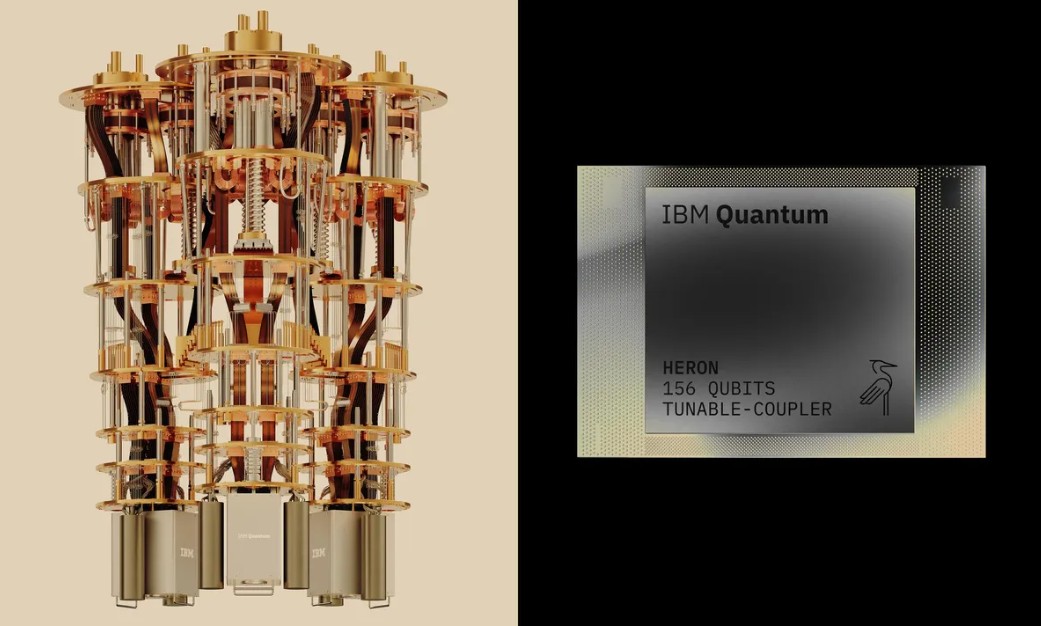
The work was carried out using IBM’s Quantum Heron processors together with improved error-mitigation methods that reduce the effects of noise without requiring fully fault-tolerant quantum computers. The experiments focused on scientifically meaningful problems rather than artificial benchmark tests, reflecting IBM’s strategy of demonstrating practical value instead of pursuing headline-grabbing speed records. The company has also invited researchers to challenge and independently test its findings through its open Quantum Advantage Tracker, encouraging scientific scrutiny rather than relying solely on internal claims.
The article notes that the broader quantum computing community is likely to examine IBM’s results closely, just as earlier claims of quantum supremacy sparked debate and improved classical algorithms. IBM acknowledges that verification will remain an evolving process, but argues that openness and reproducibility are essential for building confidence in future quantum applications.
If the results withstand independent evaluation, they could mark an important milestone in quantum computing. Rather than proving only that quantum machines are faster, IBM’s work suggests they may also be capable of producing trustworthy answers to problems beyond the reach of conventional supercomputers, bringing practical quantum computing a step closer to reality.
