

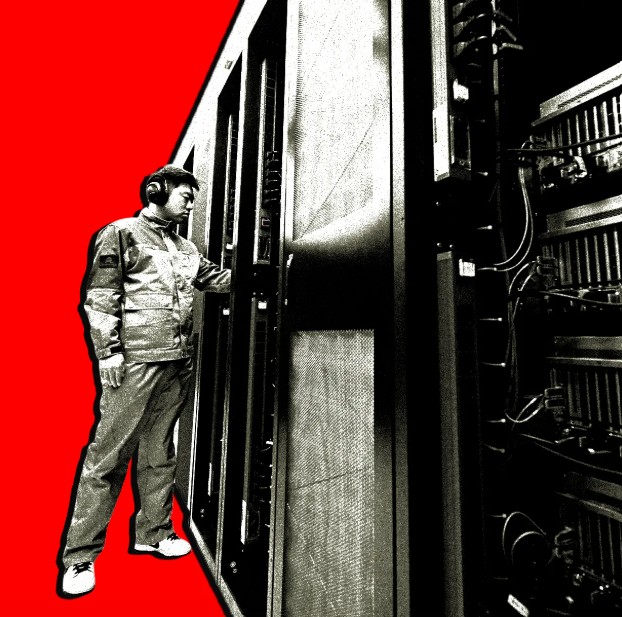
Ulanqab, a city of about 1.5 million people in Inner Mongolia, is rapidly becoming a center of China’s AI infrastructure boom. Nearly 100 data centers have opened or entered construction there since 2016, with companies committing to projects totaling an estimated 12.5 gigawatts of capacity, tells Wired.com (full article available to subscribers).
Several factors make Ulanqab attractive. Its high elevation and long, cold winters reduce data center cooling requirements. Electricity is also relatively inexpensive because Inner Mongolia has abundant coal alongside expanding wind and solar generation. Ulanqab is only about two hours from Beijing by train, while dedicated fiber-optic connections have reduced data latency to less than five milliseconds.
The region has hosted data centers for years. Huawei established one in 2016, followed by Apple in 2019. In 2021, Ulanqab became part of China’s Eastern Data, Western Compute initiative, which encourages computing infrastructure development in western regions.
AI has made these remote facilities more valuable. Model training can run for months without requiring constant real-time interaction, making latency less important. Meanwhile, growing demand for AI inference has encouraged Chinese companies to build their own computing infrastructure. DeepSeek, ByteDance, Alibaba, and Xiaohongshu are among the companies developing facilities in Ulanqab.
The expansion also creates environmental challenges. Ulanqab receives only about 14 inches of rain annually, and local authorities are already struggling with water demand. Additional data centers could intensify the pressure.
Renewable energy provides another reason for China to encourage data center construction in the region. Envision plans a 2-gigawatt AI facility powered directly by its clean-energy supply. Yet the transition remains incomplete. About 37% of Ulanqab’s electricity still comes from coal. The city therefore illustrates both China’s accelerating investment in AI infrastructure and the energy and resource challenges accompanying that growth.
