

Connecting an AI agent to Onshape does not mean the agent sees a CAD model as an engineer sees it on-screen. Instead, Onshape’s API provides structured information about documents, workspaces, versions, elements, assemblies, and permissions, tells Leo AI.
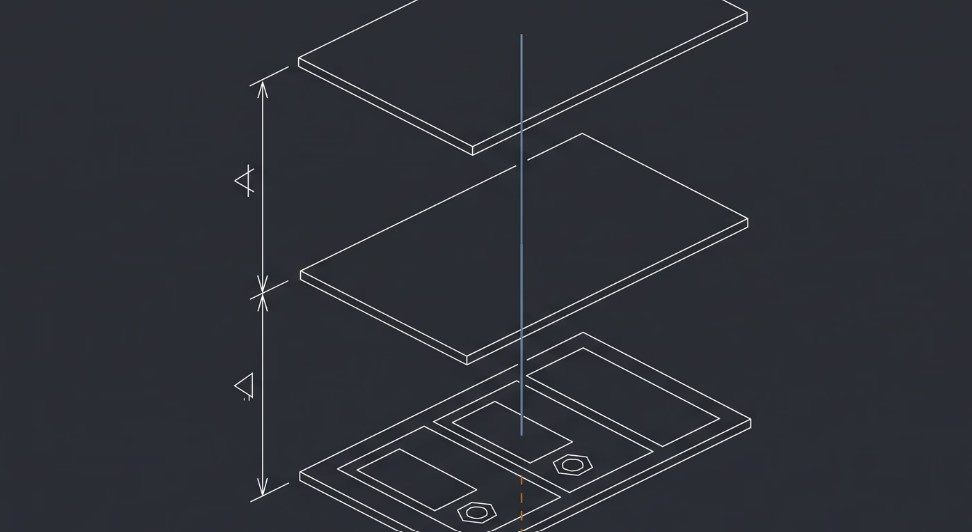
An Onshape document is a container that can include several element types. Part Studios contain parametric features, Assemblies organize parts and subassemblies through mates, while other elements can contain drawings, files, or FeatureScript code. An AI agent must first determine which elements exist before deciding which API endpoint to query.
Version control adds another consideration. A workspace is an editable branch that can change continuously. A version is an immutable snapshot, while microversions capture individual edits automatically. For an AI agent expected to provide consistent answers or compare designs, selecting the correct state is essential. Reading an active workspace at different times could return different information.
The API also lets agents inspect assembly structures without rendering geometry. They can identify parts and subassemblies, follow mate relationships, count component instances, and examine assembly hierarchies. However, this structural information does not explain engineering intent, such as why a particular tolerance, material, or mate was selected.
Release status provides another layer of context. Onshape distinguishes between In Progress, Pending, Released, Rejected, and Obsolete states. An agent therefore needs to verify release status rather than assuming that an existing component is approved for manufacturing or purchasing.
Permissions can be equally complex. Linked documents may provide limited access even when users lack full permissions for the referenced document.
Leo argues that effective AI integration with Onshape requires understanding these boundaries. Agents need to distinguish current work from stable versions, verify release status, recognize partial access, and combine CAD structure with surrounding engineering knowledge before producing dependable answers.
