

Hardware FYI’s latest roundup explores engineering projects ranging from ambitious research labs and rocket engines to robotics, manufacturing, and cable testing. A central theme is that valuable engineering knowledge can emerge from failed experiments as well as commercial successes.
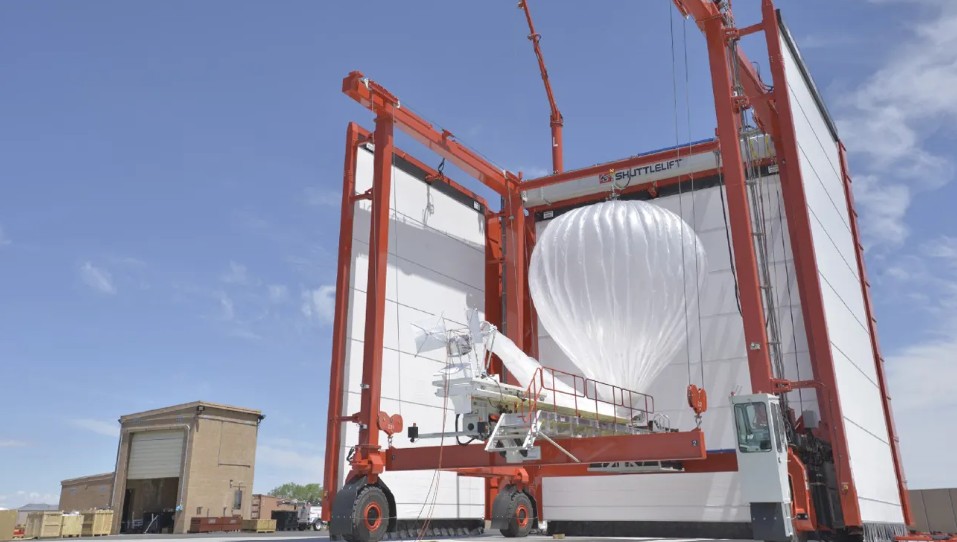
X, the Moonshot Factory, illustrates this approach. The organization has spent 16 years experimenting with the structures, funding strategies, and decision-making processes needed to transform ambitious ideas into businesses. Successful projects include Waymo and Wing, while discontinued efforts such as Loon and Google Glass generated technologies and lessons that could support future work. X preserves these lessons through detailed post-mortems, including a 437-page library documenting the Loon project.
The roundup also highlights the importance of testing seemingly ordinary hardware. USB-C cables, for example, may share the same connector while differing significantly in power delivery, data capabilities, resistance, and signal integrity. Advanced cable testers can identify wiring faults and other problems that may otherwise damage equipment.
Another project demonstrates what engineers can accomplish with publicly available information. An engineering student developed FullFlow, a fluid solver, and used limited public data to approximate the full-flow staged-combustion cycle of SpaceX’s Raptor 2 rocket engine. The model represents steady-state operation and demonstrates the demanding thermodynamics and fluid mechanics involved in rocket propulsion.
Manufacturing developments include a primer on progressive sheet-metal stamping and research into morphing wheels that can change stiffness for different terrain.
The startup section turns to robotics and transportation. Hugging Face introduced Microduck, a $399 open-source robot that can be trained through reinforcement learning. Skild AI unveiled S1, a robotics foundation model designed to learn tasks from video demonstrations. Meanwhile, autonomous trucking company Gatik raised $200 million, and REGENT secured $240 million to expand production of its Seaglider vessels.
Together, these developments show hardware engineering advancing through experimentation, verification, open development, and lessons preserved from both successful and unsuccessful projects.
