

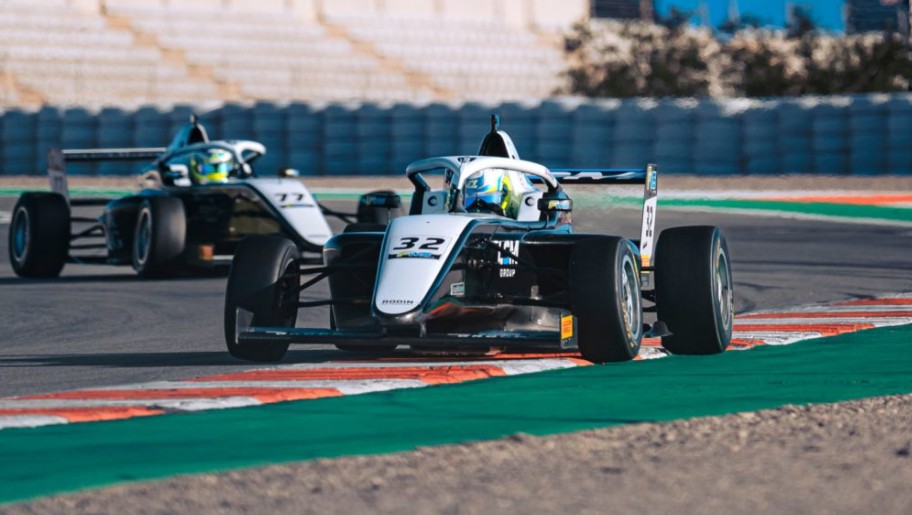
Rodin Motorsport is proving that small engineering refinements can produce meaningful gains on the racetrack. The team recently used PTC Creo’s integrated design and simulation tools to optimize the rear wing of its FIA Formula 3 car for the demanding Macau Grand Prix, where success depends on balancing high downforce for tight corners with low drag on a long straight. The project demonstrates how combining CAD, computational fluid dynamics (CFD), and structural analysis in a single environment can accelerate engineering decisions while staying within strict FIA regulations, tells Develop 3D.
Rather than creating new aerodynamic components, which FIA rules prohibit for this event, Rodin Motorsport focused on optimizing the existing rear wing. Engineers built a detailed digital model in Creo, using Creo Flow Analysis to study airflow and pressure distribution with the Drag Reduction System in both open and closed positions. Creo Simulate then converted those aerodynamic loads into downforce and drag values while simultaneously evaluating structural performance. This integrated workflow eliminated the need to move data between separate software packages and reduced development time.
The team evaluated 10 rear-wing flap configurations in half-degree increments. Each simulation took about 15 minutes, making it possible to compare multiple setups in a single afternoon. According to Rodin Motorsport, performing the same work through physical prototypes and wind-tunnel testing would have taken days or even weeks. Engineers then combined the aerodynamic results with lap-time simulation software to identify the setup that would deliver the best overall race performance.
The simulations indicated that a half-degree increase in flap angle slightly reduced cornering grip but lowered drag enough to improve straight-line speed. Overall lap-time modeling predicted gains of up to 0.25 seconds, a significant improvement in competitive Formula 3 racing. Just as important, the digital predictions closely matched on-track performance, giving engineers greater confidence in their simulation-driven decisions.
Beyond this single project, Rodin Motorsport has adopted Creo across multiple engineering programs, including suspension development, mass optimization, and IndyCar component redesign. The company is also expanding access to the software for younger engineers, using standardized workflows and reusable templates to shorten learning curves while maintaining consistency across its seven racing teams. As Rodin Motorsport enters additional championships, including the Formula Regional European Championship and GT racing, the integrated CAD and simulation approach is expected to remain a key part of its engineering strategy.
