

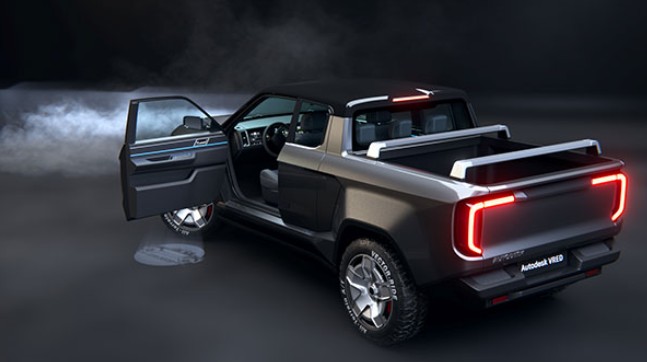
Automotive lighting has evolved far beyond its traditional role of illuminating the road. Modern lighting systems have become a critical element of vehicle safety, brand identity, driver communication, and user experience. The Digital Engineering 24/7 article explores how simulation technologies are helping automakers design increasingly sophisticated lighting systems while reducing development costs and accelerating innovation.
Vehicle lighting now encompasses a wide range of applications, including adaptive headlights, signature daytime running lights, dynamic turn signals, interior ambient lighting, and communication systems that interact with drivers, pedestrians, and other vehicles. As electric and autonomous vehicles gain traction, lighting is taking on even greater importance as a tool for both functionality and differentiation.
The article highlights the growing role of optical simulation software in the development process. Engineers can model how light behaves when it interacts with lenses, reflectors, light guides, and vehicle surfaces long before physical prototypes are built. This virtual approach enables teams to evaluate brightness, glare, beam patterns, color consistency, and regulatory compliance while optimizing performance and energy efficiency.
Simulation also supports the design of advanced technologies such as matrix LED headlights, digital lighting systems, and animated lighting features. These systems require precise control of thousands of light elements, making virtual testing essential for achieving the desired visual effects while maintaining safety standards. Engineers can assess lighting performance under varying weather, traffic, and road conditions, helping ensure reliable operation in real-world environments.
Another key theme is the collaboration between industrial designers and engineers. Lighting has become a defining visual characteristic of modern vehicles, allowing manufacturers to establish distinctive brand identities. Simulation tools enable designers to explore creative concepts while giving engineers the data needed to validate performance and manufacturability.
As automotive technology continues to advance, lighting is emerging as a strategic design element rather than a simple functional component. Through simulation-driven development, automakers are creating lighting systems that enhance safety, improve efficiency, and deliver more engaging experiences for drivers and passengers alike.
