

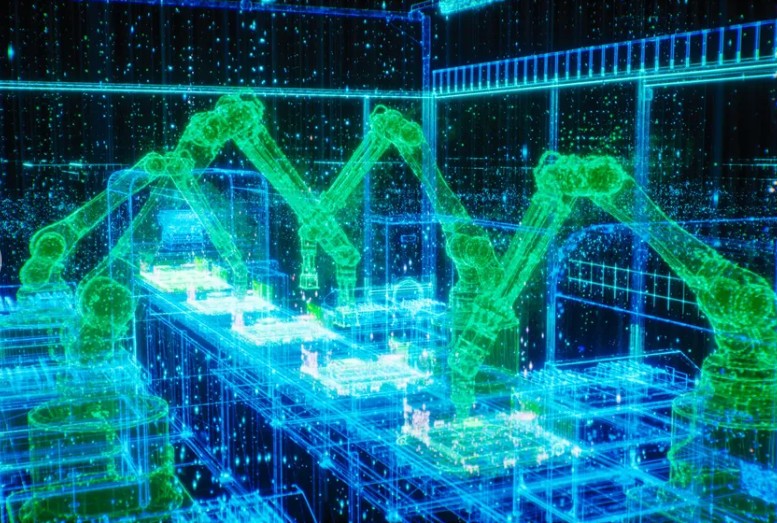
The 2026 outlook for manufacturing is dominated by three interlocking challenges: that is adoption of AI, a widening skilled-labor gap, and unstable economic conditions, tells Design News.
On the technology front, many manufacturers expect AI to move beyond hype and deliver real gains in productivity, process optimization, and automation. Still, success depends on workforce readiness and integration of new tools, not simply installing software.
The workforce shortage raises an alarm. Experts forecast a 30% shortfall in skilled labor over the coming decade, roughly four million unfilled roles. The result: companies may struggle to staff even basic operations, track demand swings, or adopt advanced manufacturing tools.
Economic headwinds add complexity. Uncertain demand, supply-chain disruption, and potential cost pressures could force firms to scale back investments or delay expansion plans. In many regions, hiring or training cannot keep pace with market shifts, leaving companies exposed to sudden downturns.
Against this backdrop, manufacturers are rethinking workforce strategy and capability-building. Some plan to invest more in training, employee retention, and flexible staffing, while embracing AI to ease labor constraints and optimize operations. Others see a chance to use smarter workflows and automation to tap younger, digitally native workers who can adapt to hybrid human–machine environments.
The coming year may test which firms can balance technological transformation with human capital and economic volatility. Those that succeed will treat AI not as a magic wand, but as one piece of a broader strategy, combining upskilling, flexible workforce planning, and cautious investment to weather uncertainty and emerge stronger.
