

Advances in computer-aided design (CAD) and computer-aided manufacturing (CAM) are making complex product development increasingly accessible. However, the ability to create sophisticated digital models does not necessarily translate into manufacturing expertise. A Hardware FYI article emphasizes the importance of understanding manufacturing primitives, the individual operations required to transform a digital design into a physical product.
The article highlights a common challenge: Designers working primarily with CAD software can become disconnected from manufacturing realities. Although software allows considerable geometric freedom, producing those shapes may require specialized tooling, additional machining operations, and expensive production processes.
Apple’s original translucent iMac enclosure illustrates this challenge. Its distinctive design pushed manufacturing capabilities beyond conventional methods, resulting in production costs approximately three times those of typical computer cases. The project also required specialized contractors and extensive engineering efforts, delaying production.
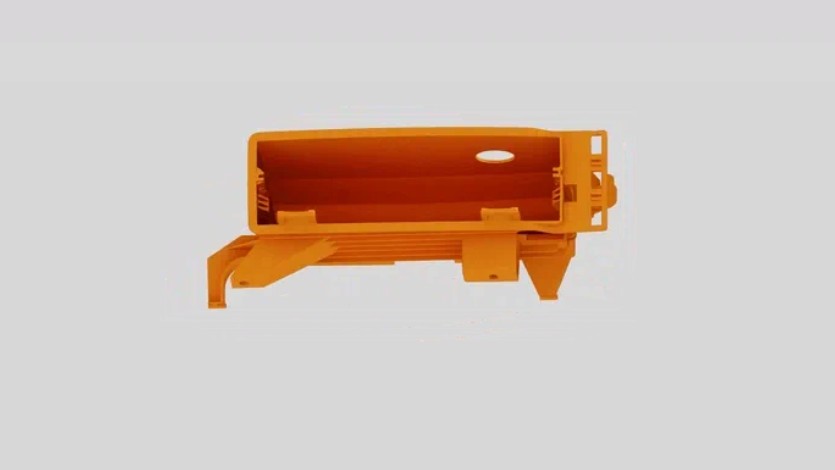
The article encourages engineers to evaluate designs by breaking them into fundamental manufacturing operations. For injection-molded plastic components, this involves examining parting lines, tooling configurations, and the need for side actions to produce complex features.
Machined components require similar consideration. Engineers should determine the number of setups, tool changes, and cutting operations needed to manufacture a part. They must also assess whether standard end mills can reach internal features or whether specialized tools are necessary.
These considerations directly influence production costs, tooling complexity, and manufacturing efficiency. Discussing potential challenges with machinists and tooling engineers early in development can help prevent expensive design revisions.
As AI increasingly assists with CAD modeling and CAM programming, understanding manufacturing processes becomes even more valuable. Automated tools may simplify design creation and toolpath generation, but engineers still need to evaluate whether proposed solutions are practical.
Ultimately, manufacturing knowledge enables engineers to balance design creativity with production feasibility, ensuring that digitally sophisticated components can be manufactured efficiently and economically.
