
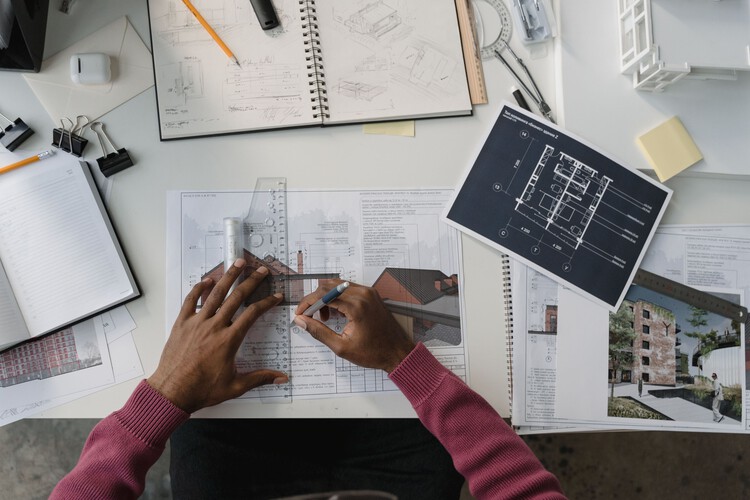
Building Information Modeling transformed architecture by connecting geometry, components, systems, and project data within coordinated digital models. Yet BIM has not fully solved a persistent problem: keeping real-world product and material information synchronized with the model and related documentation, says Arch Daily.
A BIM model can define the geometry, composition, and performance requirements of a wall, roof, or facade. However, information about manufacturers, certifications, environmental performance, specifications, costs, and technical documentation often remains scattered across spreadsheets, PDFs, databases, and separate platforms. Product information also changes frequently as manufacturers discontinue products, alter formulations, or introduce certifications. Maintaining accurate internal libraries therefore requires continuous effort.
Material intelligence aims to close this information gap by connecting product data directly with project decisions and documentation. Instead of simply adding more information to BIM models, the approach keeps data associated with material selections structured, current, and consistent as projects evolve.
Acelab illustrates this concept through its Material Hub. The platform organizes more than 200,000 products using information such as performance, certifications, sustainability metrics, aesthetics, embodied carbon, and cost. It also maintains firms’ histories of material decisions and creates a shared information source for architects, specifiers, manufacturers, contractors, and owners.
The approach is particularly useful for interiors and furniture, fixtures, and equipment, where materials such as paints, fabrics, and wallcoverings may appear in specifications without becoming modeled objects. Acelab’s Smart Docs can feed selected product information into specifications, schedules, keynotes, and sustainability reports. According to Acelab, firms using this workflow report spending up to 50% less time on material documentation.
Ultimately, material intelligence extends BIM’s coordination principles beyond geometry. Bringing product decisions into a connected information environment can help teams consider performance, cost, certifications, and environmental impact earlier while reducing documentation errors, rework, cost overruns, and material waste.
